What are we doing in Africa?
New Zealand committed NZ$5 million (2020-2025) of funding for CSA activities in Africa. The Initiative, which successfully concluded in 2025, improved agricultural greenhouse gas inventories, built capacity, and increased networking between the science and policy communities in ten eastern and southern African countries. Please see country pages for details.
Country Projects
Regional work
Programme Highlights
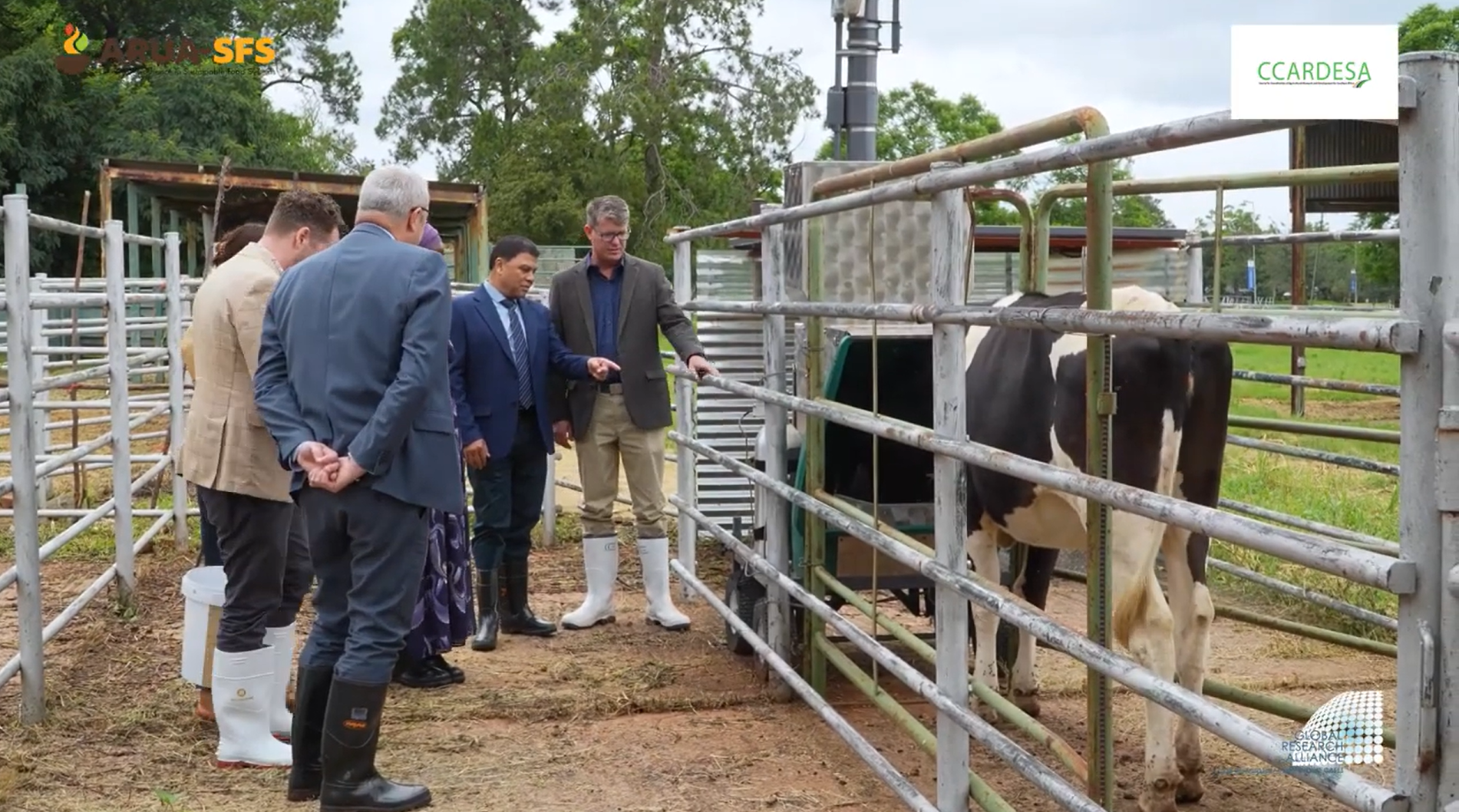
In South Africa, the regional Measurement Hub has boosted the capability of South Africa and others in the region to estimate emissions from their livestock breeds and farm systems more accurately. The Hub provides both equipment and expertise on emissions measurement and supports the sharing of information and experience in the region to improve efficiency and reduce emissions.

In Kenya- The State Department for Livestock GHG management unit and other stakeholders involved in inventory compilation now have the tools, skills, and SOPs to regularly report a more advanced inventory for all ruminant livestock species. They can continue engaging with the Kenya National Bureau of Statistics and KIAMIS to ensure that accurate country-specific data is available to support CSA policy decision making in the longer-term.
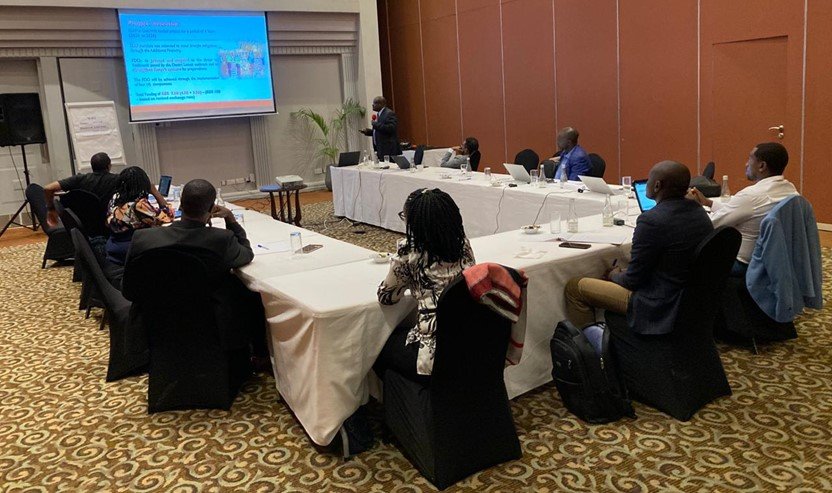
In Kenya- The assessment of beef sector mitigation potential highlighted several promising directions for SDL and stakeholders to continue pursuing through ongoing CCAC grants and other future funding. As the case of the dairy sector has shown, this includes the potential to unlock climate finance to support low-emission development in the sector.

In Malawi- Initial capacities for GHG management in the livestock sector have been established. Officials now have good capacities to regularly update and continuously improve the livestock GHG inventory, and clear modes of collaboration between institutions have been agreed. Since the project ended officials are working together to build on the inventory improvements to link with further policy development and access climate finance.

In Malawi we funded a workshop that bought experts from the region. The event trained local experts on better measurement methods, helped weave livestock into national climate plans, and built partnerships with Kenya and Zimbabwe for shared learning. It also mapped data gaps and set a clear path for follow-up training and funding opportunities. These steps matter because livestock makes up about a third of Malawi’s emissions, so better data and planning are key to meeting climate goals and unlocking international support (Nov 2023).
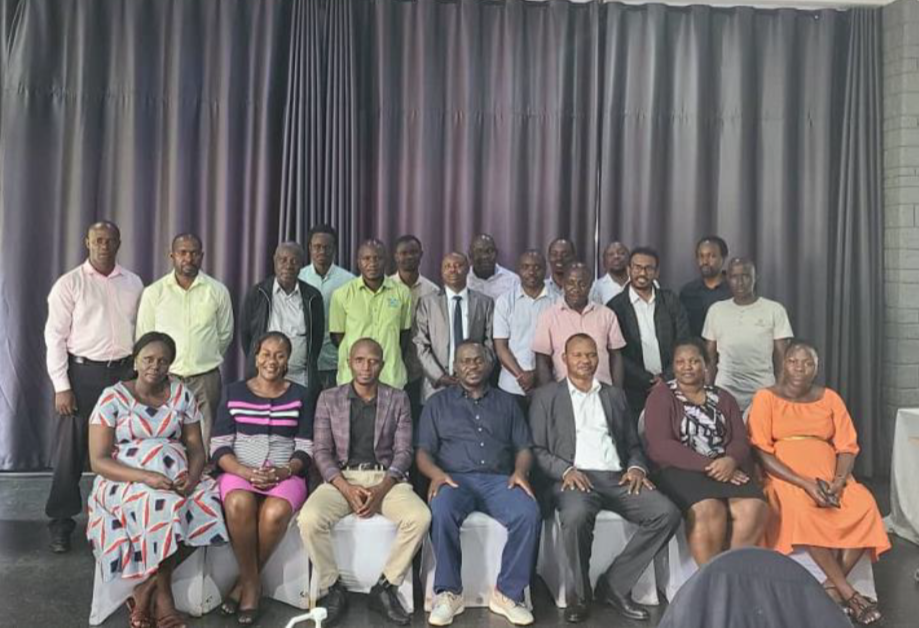
In Uganda- The improved cattle inventory of the NZCSA provides a good evidence-base for understanding sources of emission in the sector and identifying GHG mitigation options. GHG mitigation in Uganda’s cattle sector is now receiving significant attention. Uganda is involved in the Pathways to Dairy Net Zero programme being developed by IFAD, FAO and the International Dairy Federation with Green Climate Fund financing; and Makerere University, ILRI and other research institutes have begun cattle GHG emission research.
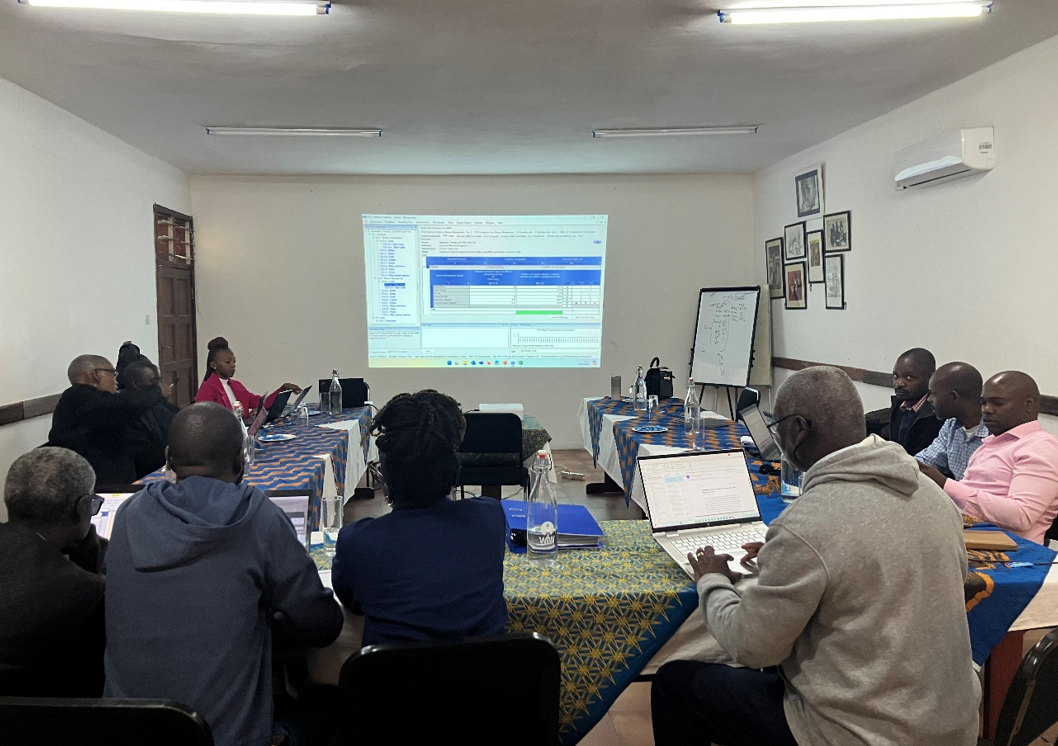
In Zambia- The improved data and institutional basis for taking the CSA agenda forward is now clear. Though practical mitigation measures have yet to be incorporated in policies and programmes. But the Ministry of Fisheries and Livestock and the Zambia Environmental Management Agency are collaborating on the inventory as well as further exploration of the mitigation agenda
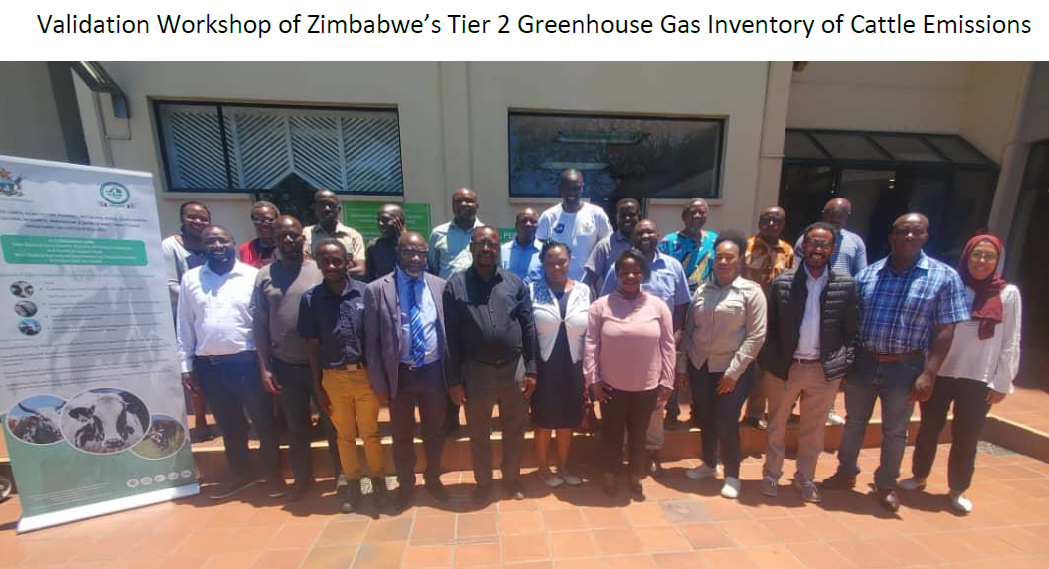
In Zimbabwe- the new and improved inventory has already begun to unlock investment by development partners in low-emission livestock climate action, and key policy stakeholders are actively engaging in policy discussions (including NDC updating) on low-emission, climate resilient livestock production.
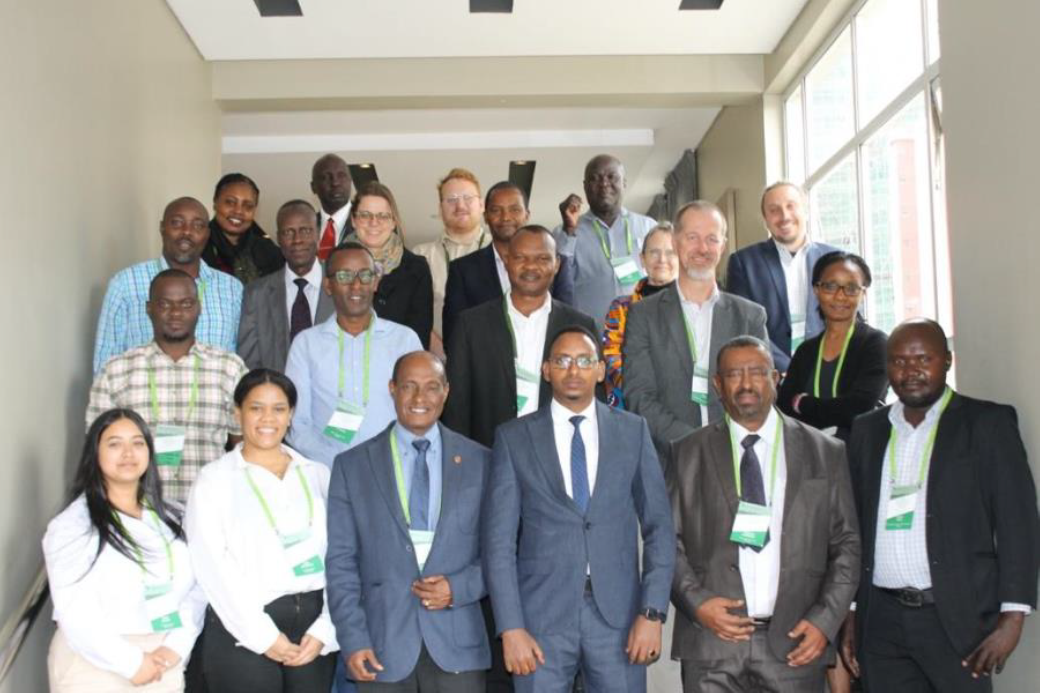
To build on the NZCSA programme’s work on Tier 2 livestock inventories, we supported the first East Africa Livestock Forum- bringing together government, research, and intergovernmental representatives. The forum built new partnerships, and strengthened collaboration across the region. Participants shared country experiences on improving greenhouse gas inventories and integrating livestock into climate policies, identified common challenges, and agreed on priorities for joint action. These steps lay the foundation for peer learning and collective efforts to advance low-emission livestock development in East Africa. (Nairobi, May 2023)
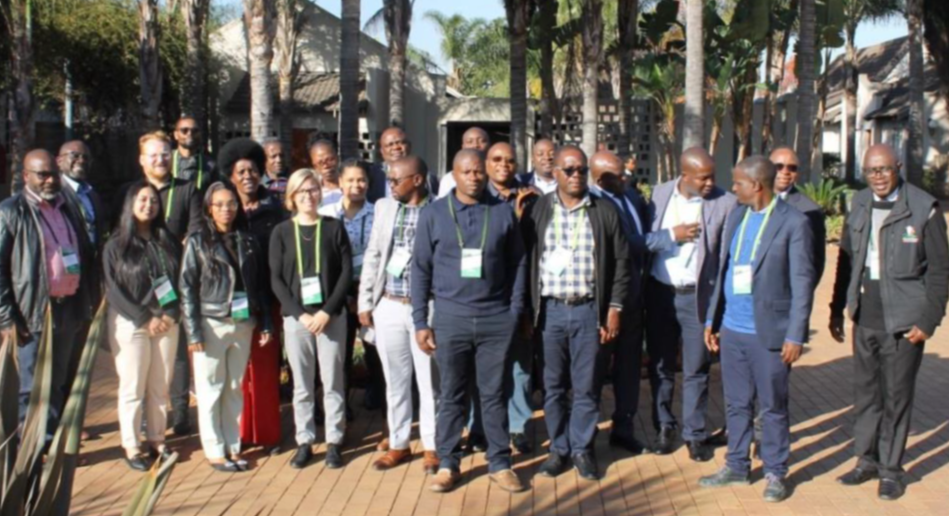
The inaugural Southern Africa forum brought together regional stakeholders to share experiences, set priorities, and build momentum following the NZCSA programme’s work on Tier 2 livestock inventories. Participants explored how improved inventories can inform policy and NDC targets, identified opportunities for peer learning, and strengthened partnerships. The event laid the groundwork for collective action (Johannesburg, May 2023).
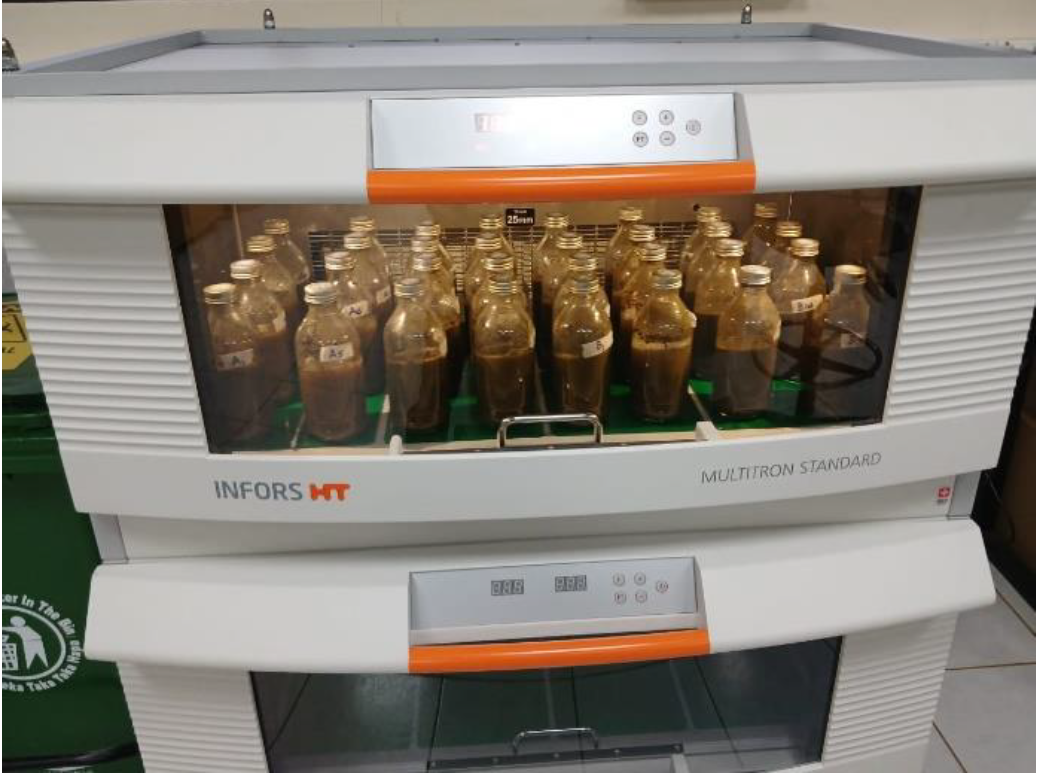
At ILRI’s Mazingira Centre, Nairobi Kenya, the establishment of the GHG Measurement Hub for East Africa represents a major step forward in capacity building and cross-country collaboration (Feb 2024). Trainee scientists from Benin and Uganda have been drawn in. The experiments assessed manure and enteric management options to reduce emissions. The results have been used in a Africa-wide program on Biogas development and demonstrated that the inclusion of forage legumes (Leucaena and Glyricidia) in the diet can drive both production and mitigation.

In South Africa, the establishment of the GHG Measurement Hub represents a major step forward in capacity building and cross-country collaboration. Regional cattle experiments have boosted the accuracy and relevance of livestock GHG inventories in Southern Africa. Country-specific emission factors for key species and production systems allow mitigation strategies tailored to local conditions.
Implementation Partners


In-country partners