
Climate-Smart Research and Indigenous Communities
Timeframe
April 2023 to June 2025
Countries
Argentina and Chile
The Project
The project represents a collaborative effort aimed at strengthening the productive, environmental, and sociocultural resilience of pastoral systems in indigenous territories of Patagonia and La Araucanía. Through a participatory and intercultural approach, the initiative promotes the adoption of sustainable livestock practices that enhance productivity, optimize the use of natural resources, and mitigate the effects of climate change while respecting cultural values and community governance structures.
Progress
As of November 2025 Innovation Units have been implemented in five Mapuche communities—four in Argentina (Wefu Wecu, Nehuen Co, Calfucurá, and Huayquillán) and one in Chile (Cheuquen Nguilliu). Each IU serves as a co-creation space between local producers, technical teams, and researchers, designed to validate climate-smart technologies adapted to Patagonian conditions. So far the impacts have been wide ranging and dramatic (see update reports and FONTAGRO programme pages.
-
Climate change projections for Patagonia indicate a decrease in precipitation and an increase in temperatures. This will place considerable pressure on agricultural systems and livelihoods that are already subject to climate constraints.
The main problems expressed by farmers are a lack of water and forage, low survival of young animals, and the lack of access to local markets. These opinions are expressed through the request for training and funding for water collection and distribution, training in the strategic use of feed for pregnant females and young growing animals, predation control, and the use of sheds for protection from the cold in winter and heat in summer. They also express the need for more resilient animals; and the need to join together to sell their products and thus obtain better prices.
Since 2017, FONTAGRO has co-financed a project that focuses on identifying new knowledge technologies and innovations for Argentina (Patagonia) and Peru, with a focus on the traditional livestock production system in indigenous smallholders. From the results obtained from this initiative, a group of scientists and extensionists from Argentina, Chile, and New Zealand decided to propose a scale-up new initiative that brings benefits to other countries.
This initiative is the first in fostering technology and innovation adoption in Latin American indigenous communities.
-
This project focuses on promoting sustainability and food security in five Mapuche indigenous communities in rural areas of Argentina and Chile. It seeks to improve livestock production through climate-smart practices, drawing on previous experience to propose solutions tailored to these communities. Innovations will be spread through demonstration plots and participatory transfer activities to achieve wider uptake in rural communities.
The project aims not only to increase livestock productivity but also to preserve Mapuche culture by integrating their ancestral vision into the proposed solutions. With a focus on sustainable development and climate change adaptation, this project supports vulnerable communities on their path to resilience and prosperity. Specific aims are:
Improve Mapuche production and the adaptation of their systems to climate change.
Extend the experience to other communities that can appropriate the innovations generated.
Generate a regional platform for the exchange of experiences.
Measure baseline greenhouses gas emissions from improved production systems.
-
Refurbished and reactivated community sheds for forage banks, meetings, and training.
Built paddocks for sheep and cattle, including weaning areas and reserve paddocks.
Installed pressurized irrigation systems and solar-powered water pumps for pasture and livestock.
-
Established forage banks for winter feed supplementation.
Implemented wetland restoration, alfalfa sowing, and improved irrigation practices.
Introduced genetic improvement programs for sheep and reproductive management for cattle.
Incorporated livestock guardian dogs and strategic supplementation for transhumant goat systems.
-
Created native plant nurseries for ecological restoration and reforestation.
Applied erosion control measures such as contour trenches and temporary fencing.
Optimized irrigation systems with sensors and automation for water efficiency.
-
Developed IoT-based frost prevention systems and rainwater harvesting prototypes.
Piloted cricket farming for sustainable protein production.
Adapted hydroponic forage systems for year-round livestock feed.
Designed low-cost greenhouses for Patagonian climates.
Tested native grass species (Festuca pallescens) for soil conservation and grazing resilience.
Implemented a greenhouse gas (GHG) model to measure emission reductions.
-
Organized training workshops on animal welfare, body condition scoring, and pasture management.
Coordinated a technical exchange with New Zealand farmers, fostering future Māori–Mapuche partnerships.
Planned a 2026 visit to Māori entrepreneurs to strengthen indigenous governance and cultural revitalization.
Reports
Project Information
Webinars
Implementation Partners



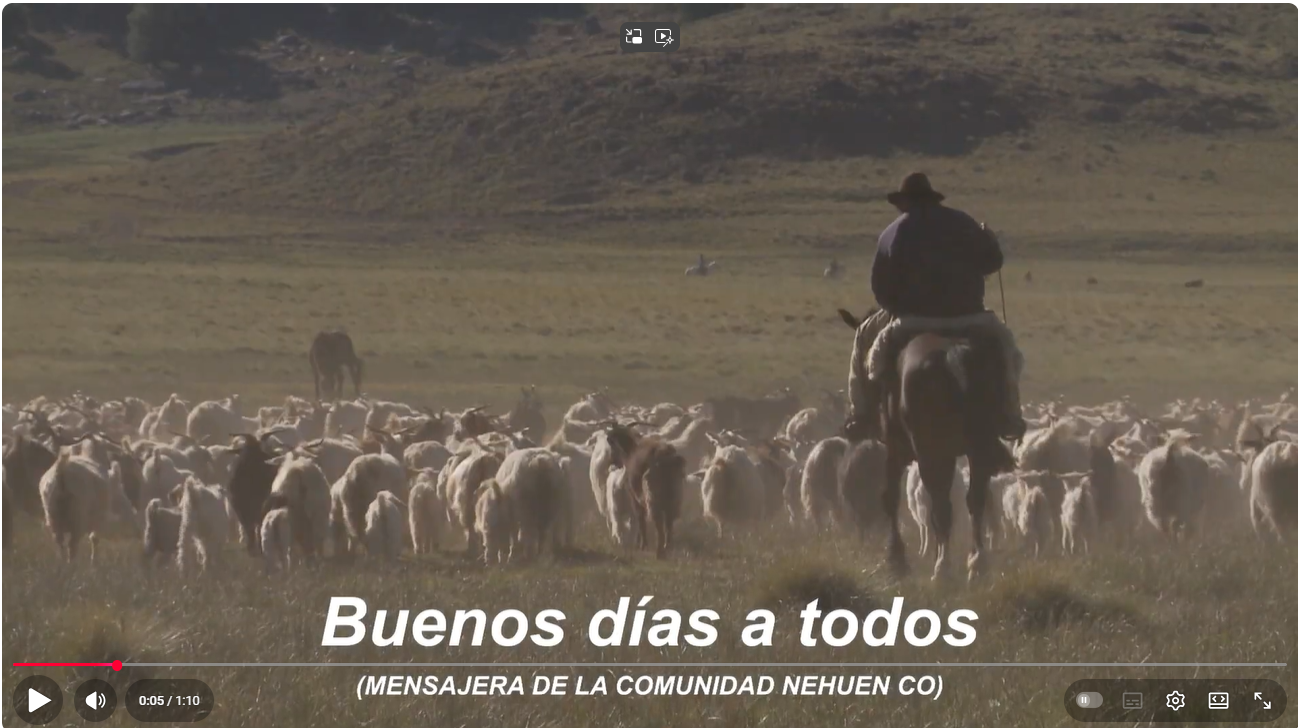
Promo video (Spanish Language), shows the Mapuche communities, faced with agricultural challenges such as water scarcity and poor livestock nutrition; and how through the project they are testing practices and technologies to improve livestock farming (June 2025)

Webinar: Resilient Livestock: Integrating Mapuche culture into agricultural solutions (Spanish Language), led by FONTAGRO and Ministry for Primary Industries (MPI), the Global Research Alliance on Agricultural Greenhouse Gases (GRA) explored how the project promotes sustainability and food security in Mapuche indigenous communities (Sep 2024)
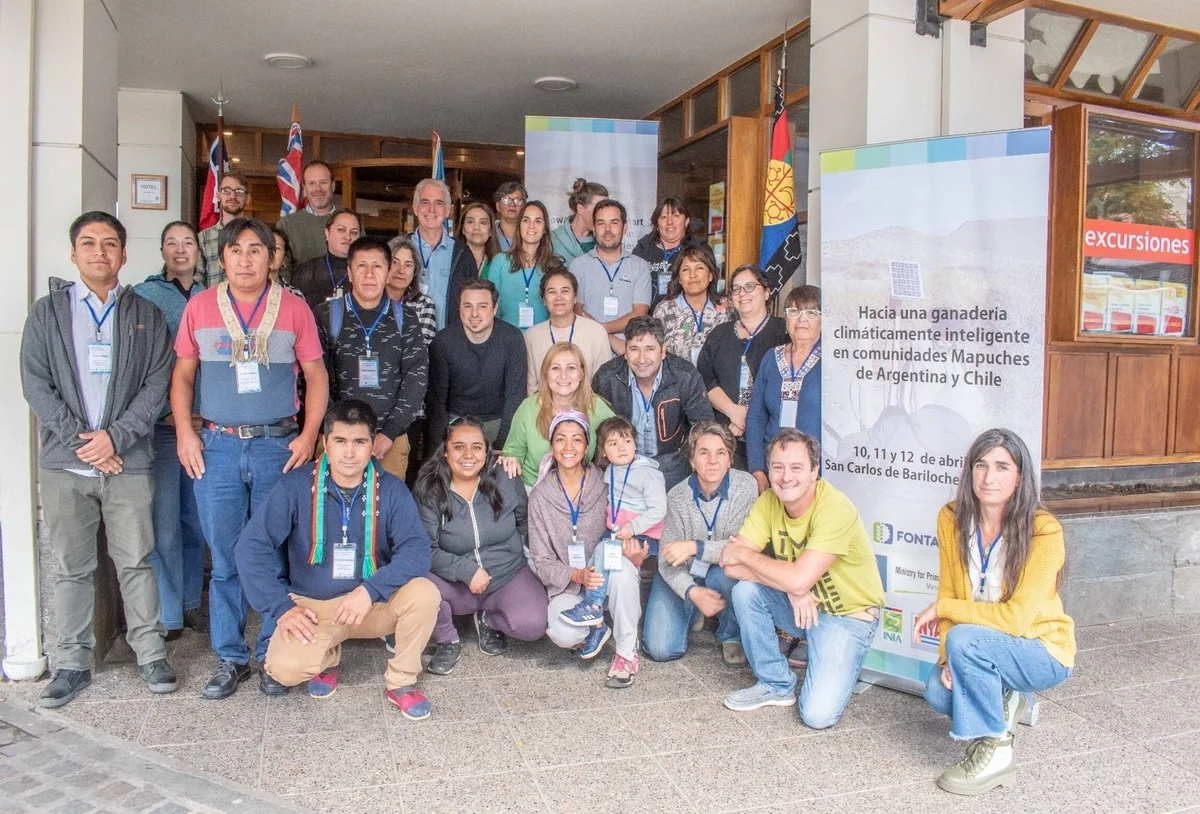
An important agreement was finalized with the Cheuque Nguilliu Mapuche community, located in Icalma, a town in the commune of Lonquimay, in the La Araucanía Region of Chile. The agreement establishes a series of commitments aimed at promoting sustainable development in harmony with the community’s cultural identity and natural environment. (Nov 2024)
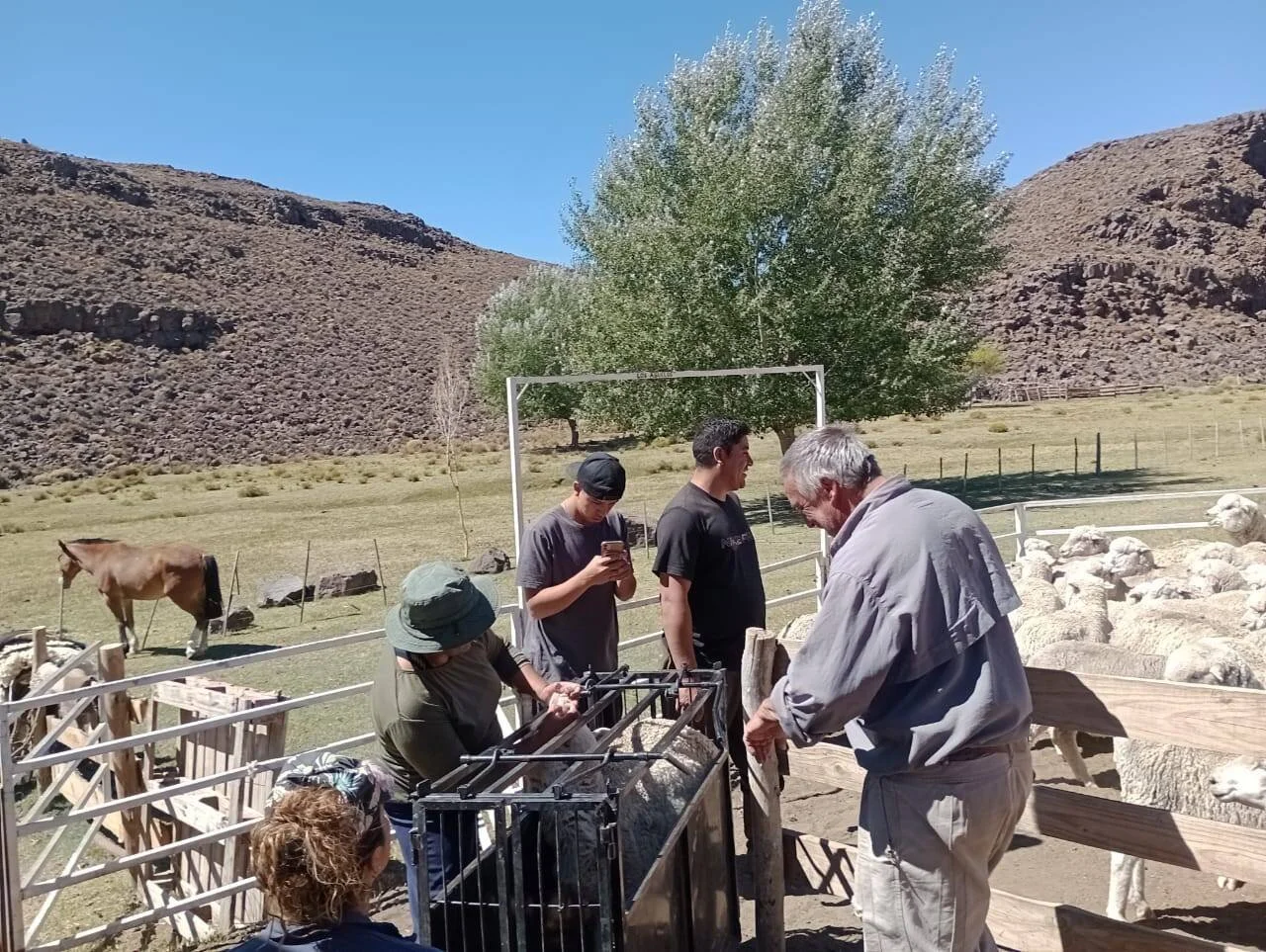
Workshop on good livestock practices to boost sheep productivity. This is just one of eight CSA Practices that have been demonstrated so far in the Mapuche project, (Mar 2025)