ASEAN looks to move “From Priorities to Investment” in regional workshop
1-2 October 2026, Jakarta, Indonesia
Forty-five researchers, policymakers, and development partners from across Southeast Asia and beyond participated in the regional ASEAN Climate-Smart Agriculture (CSA) workshop, “From Priorities to Investment: Advancing Fundable Actions in Livestock and Rice Low-Emissions Systems in Southeast Asia”.
The workshop aimed to develop a plan for implementing the activities under the ASEAN CSA Initiative, using livestock and rice systems as exemplars of production systems wherein research can be implemented at scale.
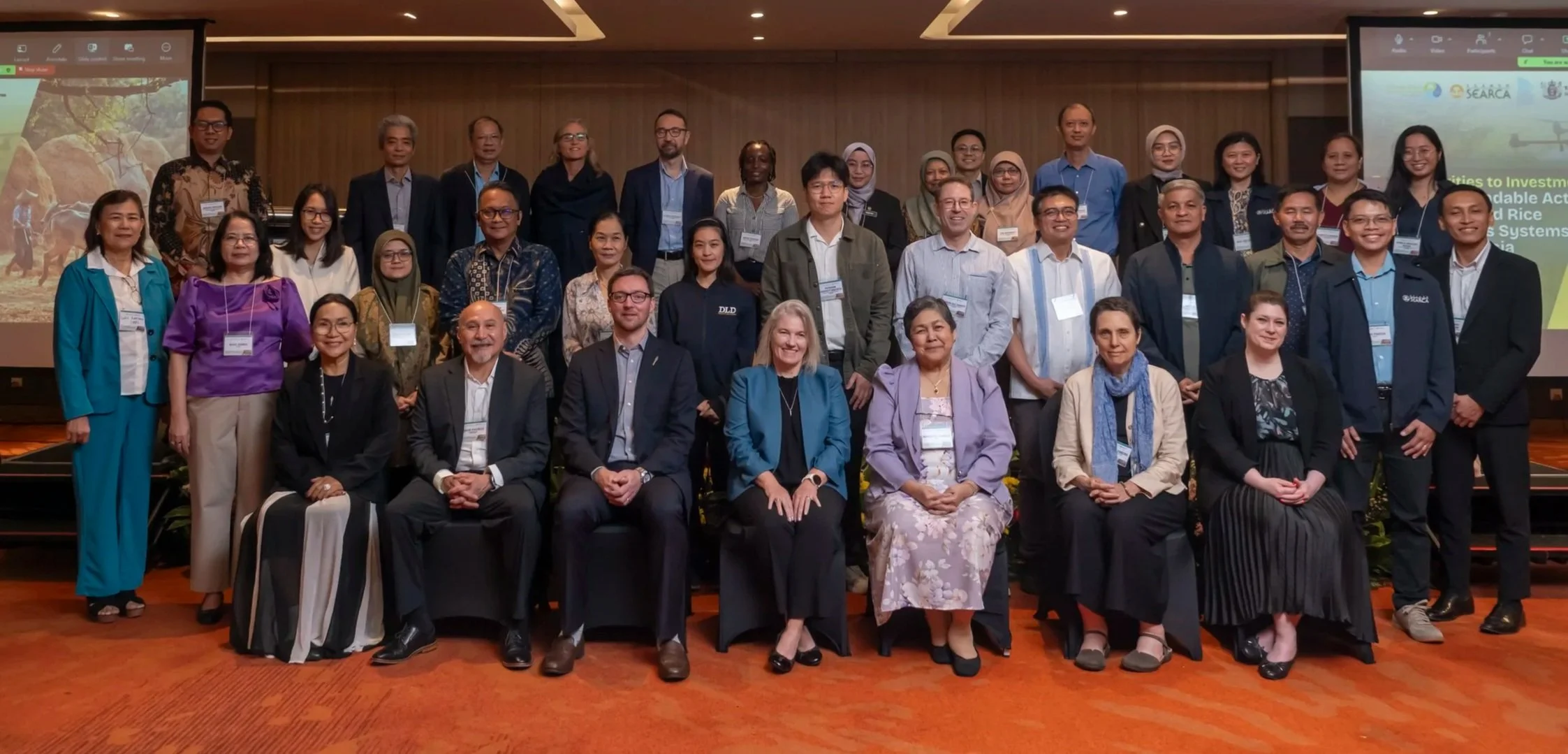
The event was opened by Her Excellency Joanna Anderson, New Zealand Ambassador to ASEAN, and Dr. Mercedita Sombilla, Center Director of the Southeast Asian Regional Center for Graduate Study and Research in Agriculture (SEARCA).
The New Zealand's CSA Initiative (2020–2025) was highlighted as a foundational effort that built significant regional capacity in greenhouse gases (GHG) inventory reporting, measurement infrastructure, and policy engagement.
Technical presentations covered measurement, reporting, and verification (MRV) systems for rice and livestock, the CGIAR Climate Action Science Program, the Global Methane Hub's portfolio, FAO's climate-smart agriculture investment plans, and farmer-led adoption pathways.
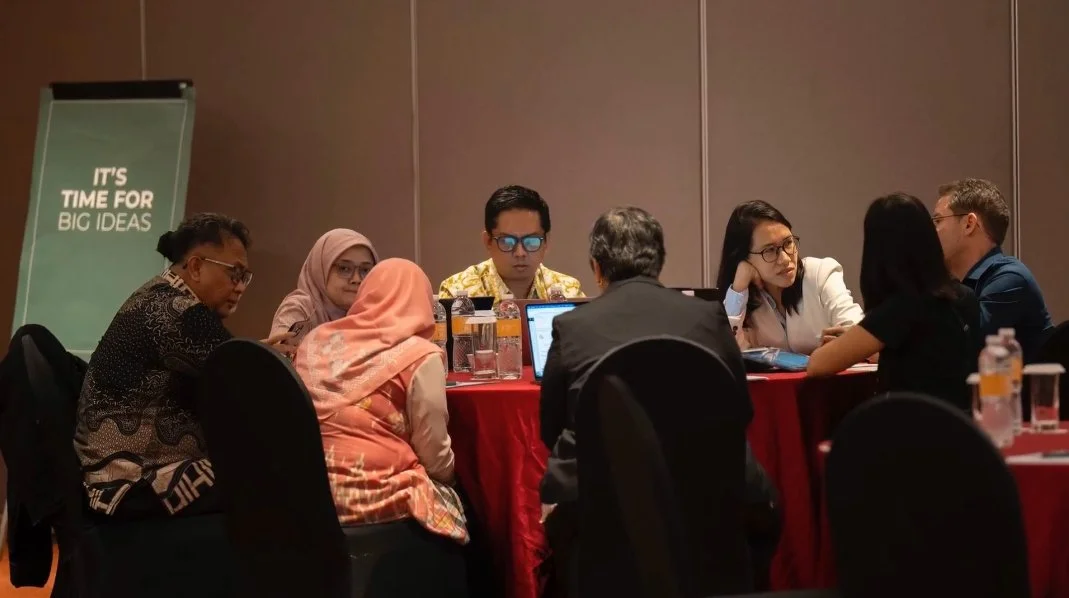
Breakout group discussions identified regional research priorities including rice-livestock integration and life cycle assessment, harmonized MRV systems, feed options for livestock, animal health quantification, rice straw circularity, and farmer incentive schemes.
A strong consensus emerged that rice and livestock must be addressed together rather than in silos, and that farmer-centred co-design is essential for scaling. Moreover, productivity improvements and farmer economic benefits must be central to any mitigation strategy to drive adoption at scale.
The discussions also reinforced the importance of designing interventions around farmers' realities and ensuring that investment cases demonstrate both emissions benefits and tangible economic or livelihood value.
The New Zealand government, Ag Emissions Centre, CGIAR Consortium of International Agricultural Research Centers, and SEARCA co-organised the regional capacity-building workshop.