New Zealand Partners with Dominica to Boost Climate‑Smart Agriculture
Roseau, Dominica – February 2026.
A delegation from the New Zealand Latin America and the Caribbean: Climate Smart Agriculture (LAC‑CSA) Programme visited the Commonwealth of Dominica from 9–13 February 2026 to advance partnerships aimed at strengthening the island’s agricultural productivity while reducing greenhouse gas emissions.
The mission was led by Lee Nelson, Manager of the LAC‑CSA Programme, and Dr. Julian Hill of Ternes Scientific (New Zealand), working in close collaboration with the Inter-American Institute for Cooperation on Agriculture (IICA) Dominica and the Ministry of Agriculture, Fisheries, Blue & Green Economy.
Strengthening Dominica’s Pathway to Climate‑Smart Growth
The visit forms part of the project “Advancing Climate Smart Agricultural Practices in Dominica to Increase Production and Mitigate Greenhouse Gas Emissions”, funded through the New Zealand Government’s Latin America and the Caribbean: Climate Smart Agriculture programme, as part of its contribution to the Global Research Alliance on Agricultural Greenhouse Gases. The initiative supports the island’s farming community in:
improving productivity in livestock, cropping, and mixed farming systems
strengthening national greenhouse gas inventory capacity
reducing agricultural waste streams
expanding practical Climate‑Smart Agriculture (CSA) training for farmers, extension officers, students, and industry
During the mission, New Zealand’s team held high‑level and technical meetings with the Minister for Agriculture, Fisheries, Blue and Green Economy, Hon. Roland Royer, policy units, livestock and crop specialists, extension teams, and climate/NDC focal points. IICA Dominica also coordinated field visits and engagement with local educational institutions, including the Dominica State College (DSC) - Technical and Vocational Education and Training (TVET) centre.
Key Priorities Highlighted by Dominican Stakeholders
Across government, farmers, retailers, and training institutions, several shared priorities emerged:
Import displacement of goat and sheep meat, vegetables, and fruits remains a major growth opportunity.
Farmers want practical, low‑cost CSA interventions, rather than capital‑intensive solutions.
Stronger links between farm practices, product quality, and market access - especially with hotels and supermarkets.
Postharvest logistics, cold storage, and consistent grading were noted as productivity constraints.
Advancing Education, Training, and Demonstration Farms
Collaboration with the Dominica State College (DSC) and Agricultural Institutions aims to create:
short courses and on‑farm practicums for students and farmers
CSA demonstration farms to trial manure management, fodder production, composting including IPM
train‑the‑trainer programmes to embed CSA into extension services and future national skills development.
These activities support the wider objectives of Dominica’s National Agriculture Policy and action plans, including improved data systems for emissions reporting and sustainable production.
A Shared Commitment to Climate Action and Agricultural Growth
New Zealand’s partnership with Dominica reflects a desire to build resilient, climate‑smart food systems. By combining practical farm‑level solutions, improved data systems, and capacity building, the collaboration aims to support farmers in lifting productivity without increasing greenhouse gas emissions or impacting negatively on the environment.
For more information, contact:
Lee Nelson - lee.nelson@ag-emissions.nz
Ryan Anselm - psagriculture@dominica.gov.dm
Julian Hill - ternesscientific@gmail.com
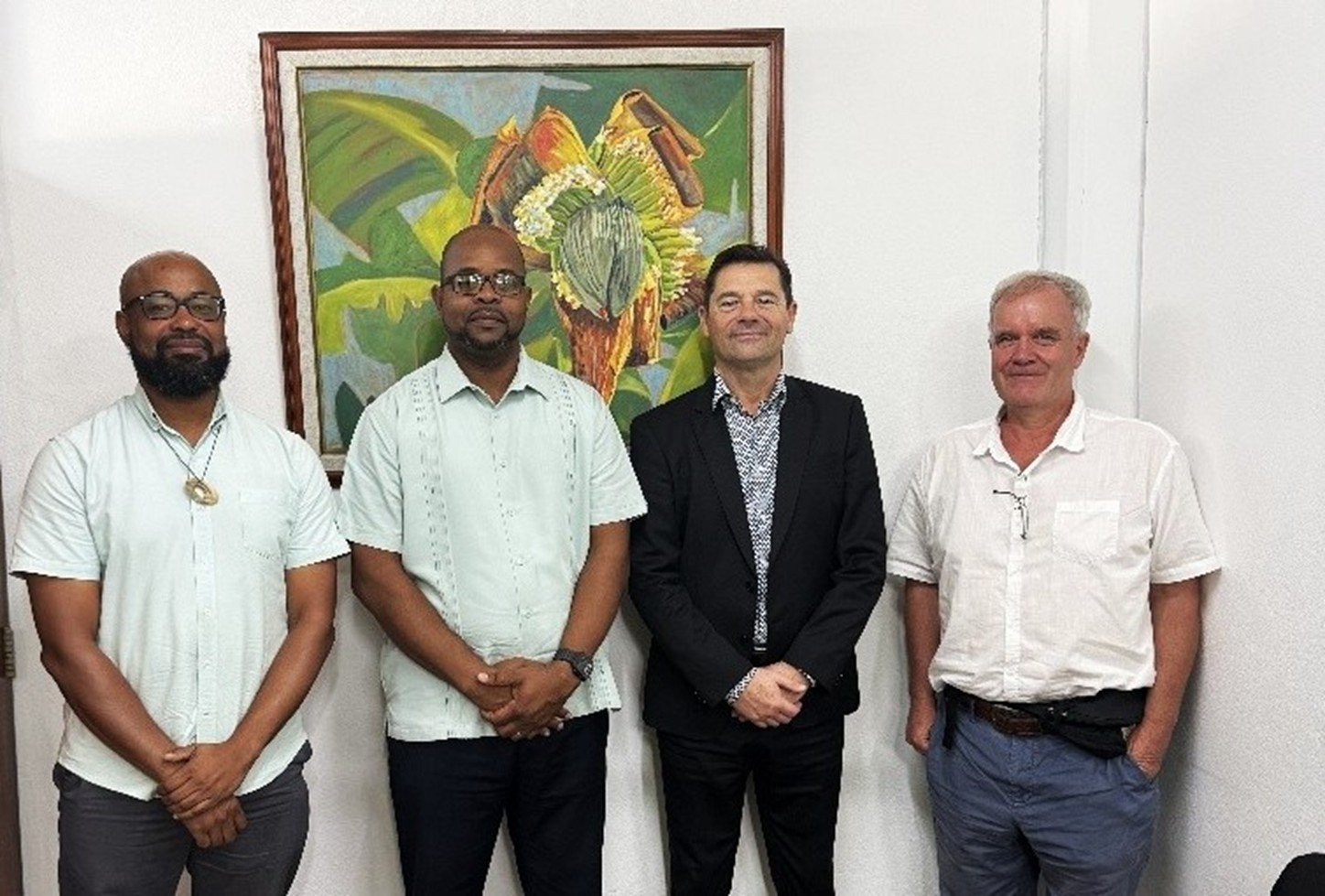
Above photo left to right: Mr. Anthony Cyrille, Country Specialist IICA Dominica; The Hon. Roland Royer, Minister for Agriculture, Fisheries, Blue and Green Economy; Mr. Lee Nelson, Manager New Zealand Latin America and the Caribbean: CSA programme; Dr. Julian Hill, Ternes Scientific, New Zealand.
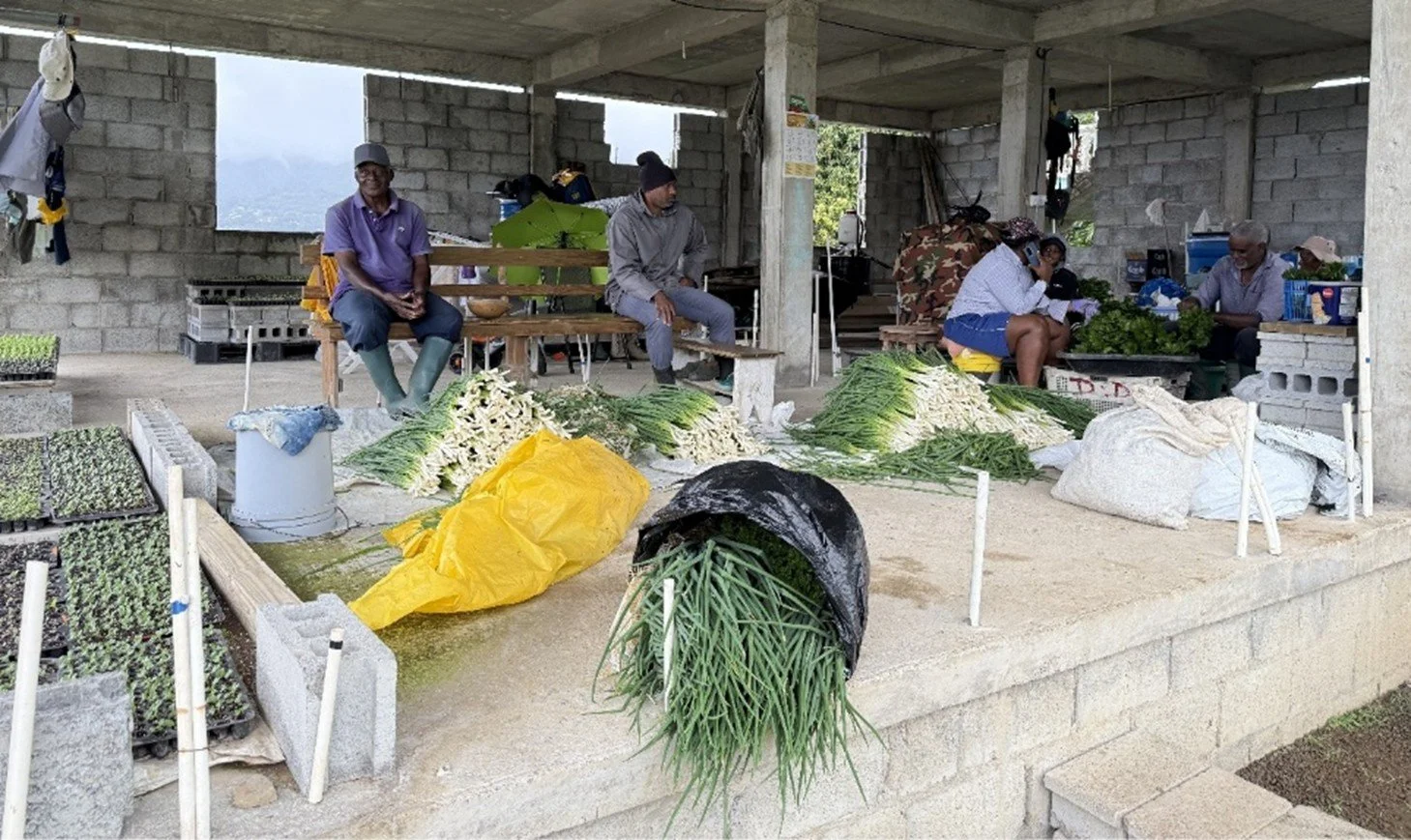
Delegation visited Deschamps Family Farm (Wotten Waven) who grow vegetables in the Southern Agricultural Region.
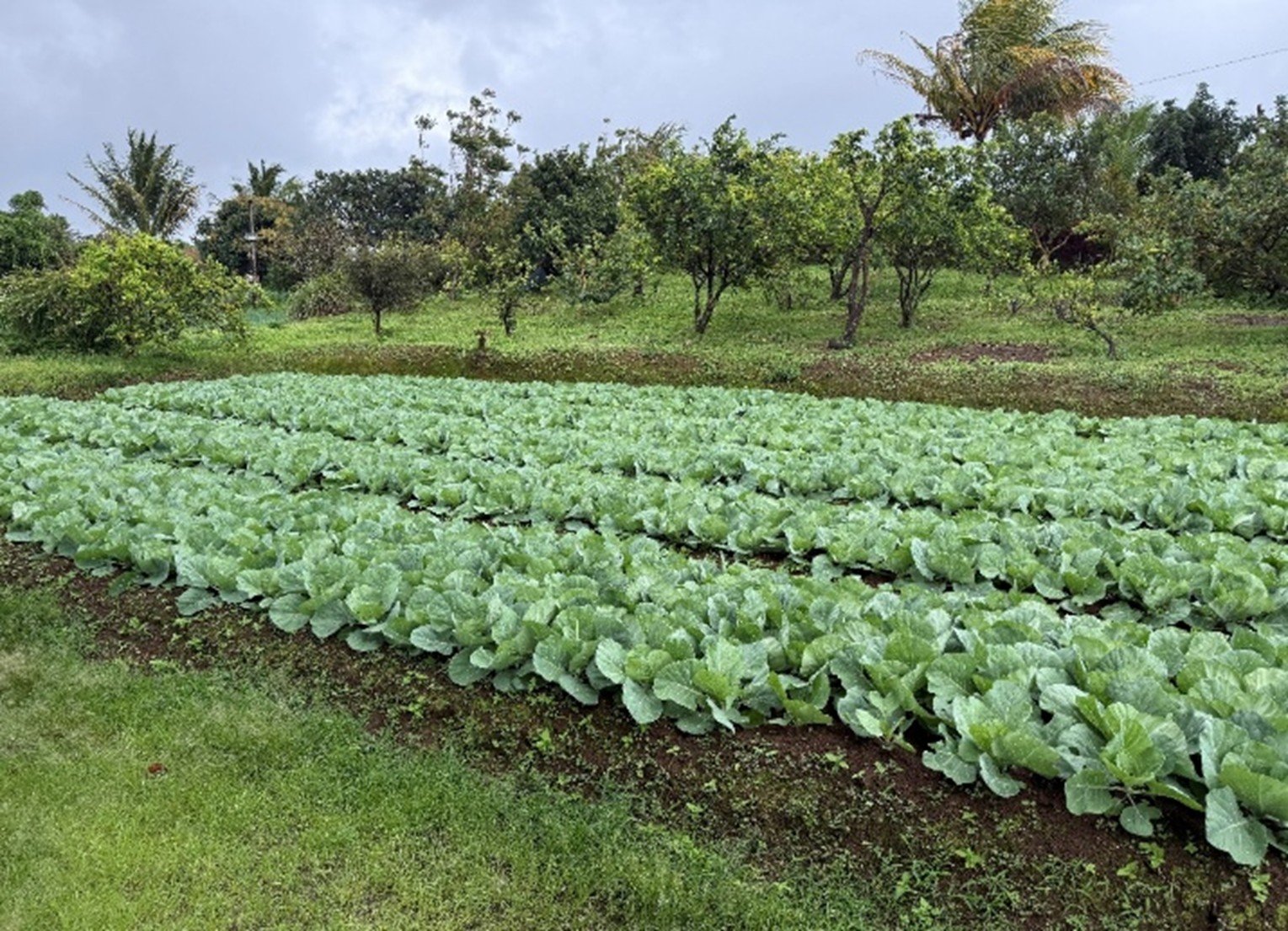
Deschamps Family Farm (Wotten Waven) Southern Agricultural Region