Advancing Climate‑Smart Agriculture: New Zealand Reports Strong Progress in Saint Lucia

One of the meetings with Saint Lucia Ministries - Ministry of Agriculture, Economic Development, Sustainable Development (national accounting, inventory and NDC), Veterinary Services.
Caribbean farmers are on the front lines of climate change. Increasingly unpredictable weather, extreme heat, and shifting rainfall patterns are putting pressure on food systems across the region. To help build a more resilient, productive, and low‑emissions agricultural future, New Zealand is expanding its Climate Smart Agriculture (CSA) cooperation with Caribbean partners.
A recent technical mission to Saint Lucia (27 January – 6 February 2026) marks an important step in the New Zealand–Latin America and Caribbean CSA programme. The initiative brings together regional governments, farmers, industry partners and training institutions to support practical, evidence‑based solutions for Small Island Developing States (SIDS).
Strengthening Government Partnerships
During the visit, New Zealand experts met with Saint Lucia’s Ministry of Agriculture, Ministry of Economic Development, Ministry of Sustainable Development, and Veterinary Services. The discussions focused on reviewing progress so far, validating field findings, and shaping the next phase of workshops and technical reporting.
These government‑to‑government engagements ensure the programme is aligned with national development goals and supports long‑term resilience planning.
Insights from the Field: Innovation in Action
Field visits to nine mixed farming enterprises in northern and west‑central Saint Lucia provided a firsthand look at how local producers are adapting to climate challenges. Farmers showcased a diverse range of crops — from dasheen, yams and sweet potatoes to tomatoes, peppers, lettuce and papaya — alongside small ruminant and mixed livestock systems.
Many farms are already using climate‑smart technologies such as irrigation systems, polytunnels, solar‑powered pumps, fertigation, and hydroponics. Producers reported that these tools are helping improve yields, efficiency and profitability.
Growing Value Beyond Meat: Small Ruminant Opportunities
One standout trend was the innovation emerging from small ruminant enterprises. Many farmers are expanding into high‑value products such as compost and manure sales, goat‑milk soaps, and early trials of goat‑skin leather. In several cases, these value‑added activities generate higher income than meat sales.
Farmers are also embracing digital marketing, using TikTok, Instagram and other platforms to promote their products and reach new customers, particularly in urban areas.
Understanding Market Gaps
Meetings with agribusinesses — including Renwicks, a major agricultural supplier, and Valley Foods, the island’s largest meat processing plant — highlighted the significant supply shortages in local beef, sheep and goat production. Both organisations underscored the reliance on imported pork, which currently accounts for around 60% of domestic supply.
These insights help identify where climate‑smart investments and improved supply chains could have the greatest impact.
Engaging Youth and Strengthening Training Pathways
Recognising that the future of climate‑smart agriculture depends on young people, the mission met with the Sir Arthur Lewis Community College (SALCC), TVET organisations and secondary school partners.
Like many countries, Saint Lucia is experiencing declining enrolment in agriculture training programmes. Strengthening CSA education and creating new pathways into agriculture will be essential for building a skilled, future‑ready workforce.
Collaborative Workshop: Turning Findings into Action
A multi‑stakeholder workshop brought together 27 participants from government, industry and farming communities. Discussions centred on manure management, livestock production, feed quality, housing systems, supply chain emissions, and transport and processing challenges.
Farmers shared deep practical knowledge, while the workshop also identified a need for greater awareness of climate adaptation and emissions‑reduction strategies — both of which will be priorities for the next stages of New Zealand’s CSA support.
A Shared Commitment to Climate‑Resilient Food Systems
New Zealand’s Climate Smart Agriculture programme in the Caribbean aims to strengthen resilience to climate impacts, expand access to low‑emissions technologies, support data‑driven decision‑making, and build future‑focused agricultural strategies.
The collaboration in Saint Lucia demonstrates the shared commitment of New Zealand and Caribbean governments to sustainable, climate‑resilient farming systems. As climate pressures intensify, these partnerships will play a vital role in supporting farmers, protecting livelihoods, and creating a more secure and low‑emissions agricultural future for the region.
Why Climate‑Smart Agriculture Matters in the Caribbean
Caribbean agriculture is highly vulnerable to climate change. Farmers face:
more intense droughts and heat stress
stronger storms and more frequent flooding
soil degradation and freshwater scarcity
shifting pest and disease patterns
For many small island states, agriculture is already constrained by limited arable land, high import dependence, and costly inputs. Climate change amplifies these challenges, threatening food security, rural livelihoods, and export industries.
Why New Zealand is involved
New Zealand and the Caribbean share similar agricultural challenges:
– small, export‑oriented economies
– climate variability
– emissions from pastoral and mixed farming systems
New Zealand has deep experience in developing practical, low‑emissions farming solutions, including pasture management, livestock breeding, horticulture innovation, and greenhouse gas measurement. By collaborating with Caribbean partners, New Zealand can share this expertise while strengthening ties with SIDS that face similar climate pressures.
This partnership also reflects New Zealand’s broader commitment to supporting climate resilience, sustainable food systems, and development cooperation across Latin America and the Pacific.
The regional importance of small ruminants
Small ruminants — especially goats and sheep — play a vital role in Caribbean agriculture because they:
thrive in hot, dry and challenging environments
require relatively low capital and feed inputs
provide reliable protein sources
support income diversification through manure, compost, milk, hides and soaps
For many rural households, small ruminants are one of the most climate‑resilient and economically flexible livestock options. Strengthening these value chains is therefore central to building food and income security under changing climate conditions.
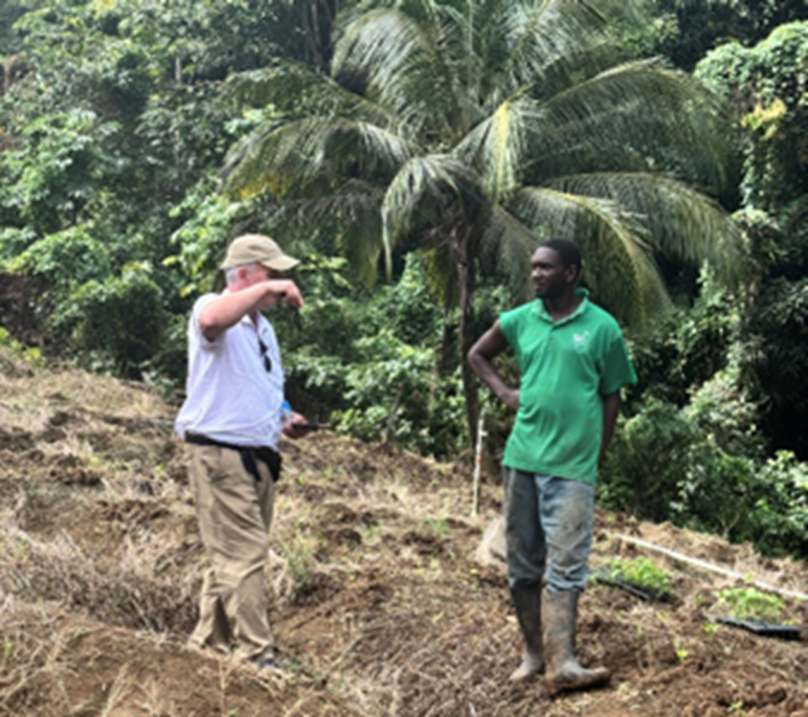
Nine farms visited ranging from small ruminant only, mixed small livestock plus cropping, and cropping only. Cropping enterprises currently in the ‘dry season’ - focus has been on major root crops (dasheen, yam, sweet potato), vegetables - tomato/lettuce/cabbage/bell peppers/sweet corn, and fruit (papaya, citrus, passion fruit).
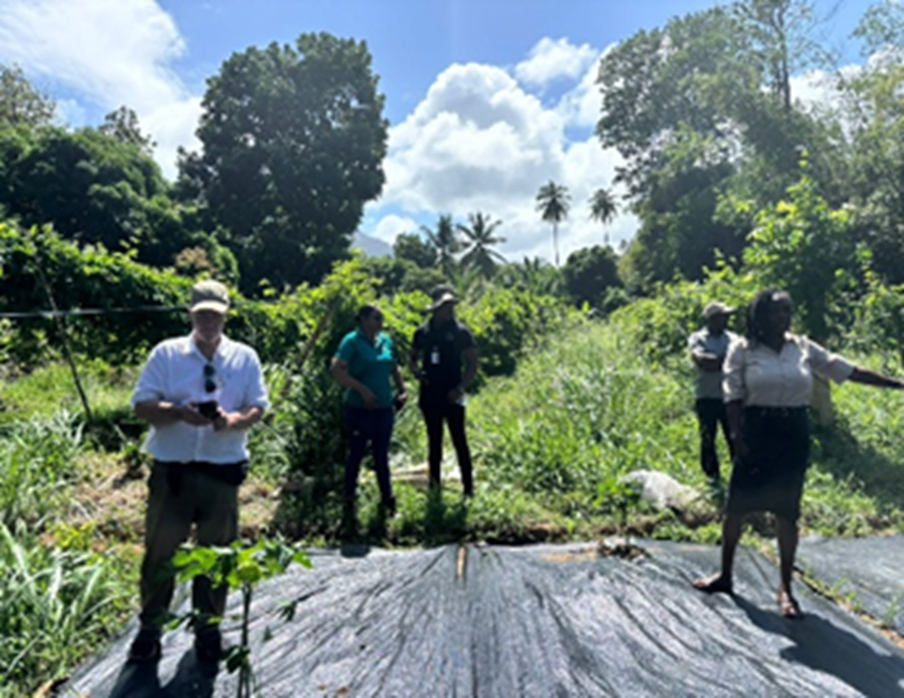
Crop Farmer Engagement: Assessing weather patterns and fluctuations in success of crops on farm.

A wide cross-section of stakeholders participated in the Inception workshop, including stakeholders from the Department of Sustainable Development and Institutions contributing to national accounting for agriculture.
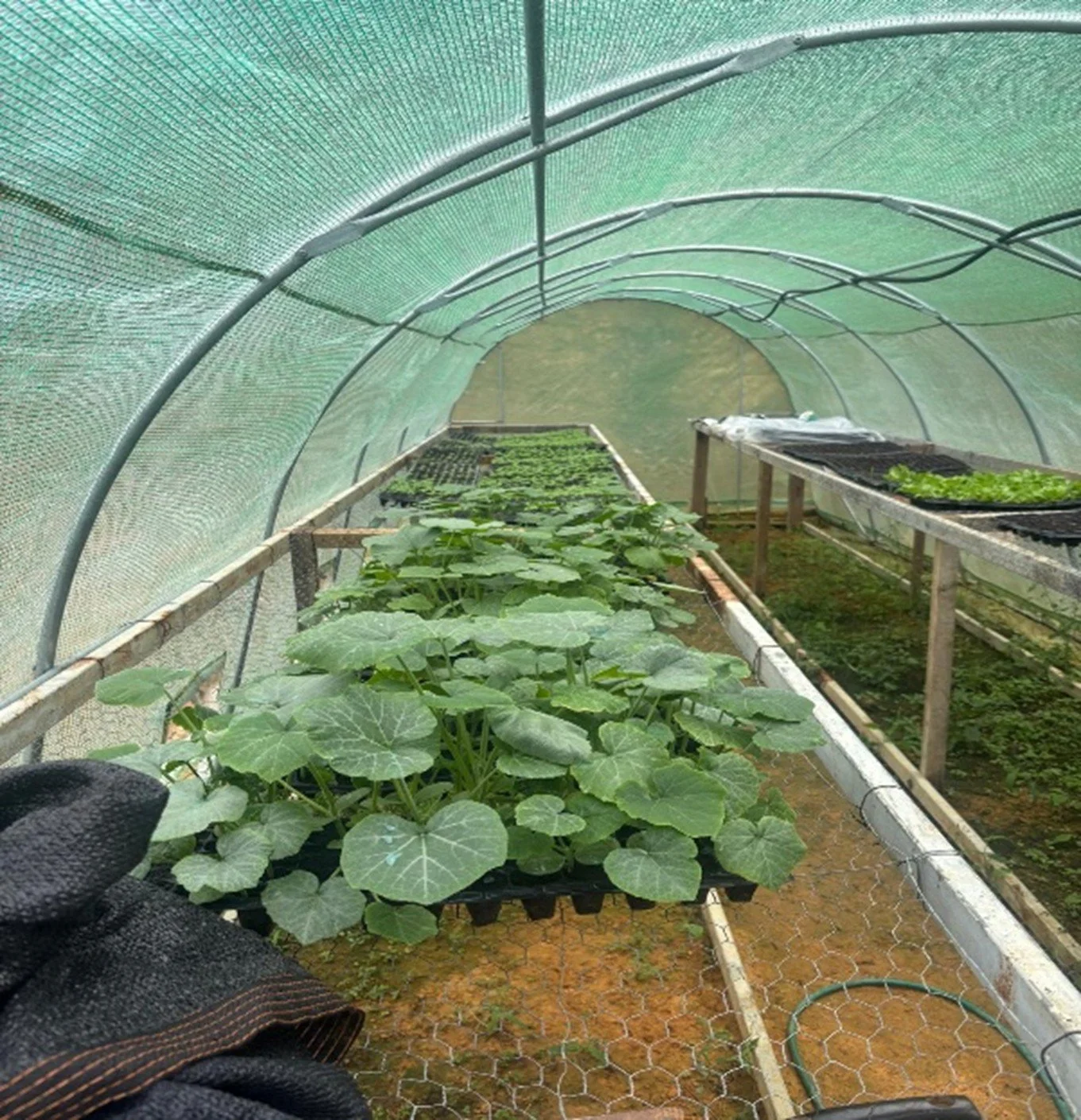
Majority of farmers had good infrastructure, access to irrigation (cropping at field scale) and polytunnels. New technologies such as solar pumps, fertigation and hydroponic systems were being established with producers noting that they found these technologies increased vegetable production and gains in efficiency that resulted in greater profitability.
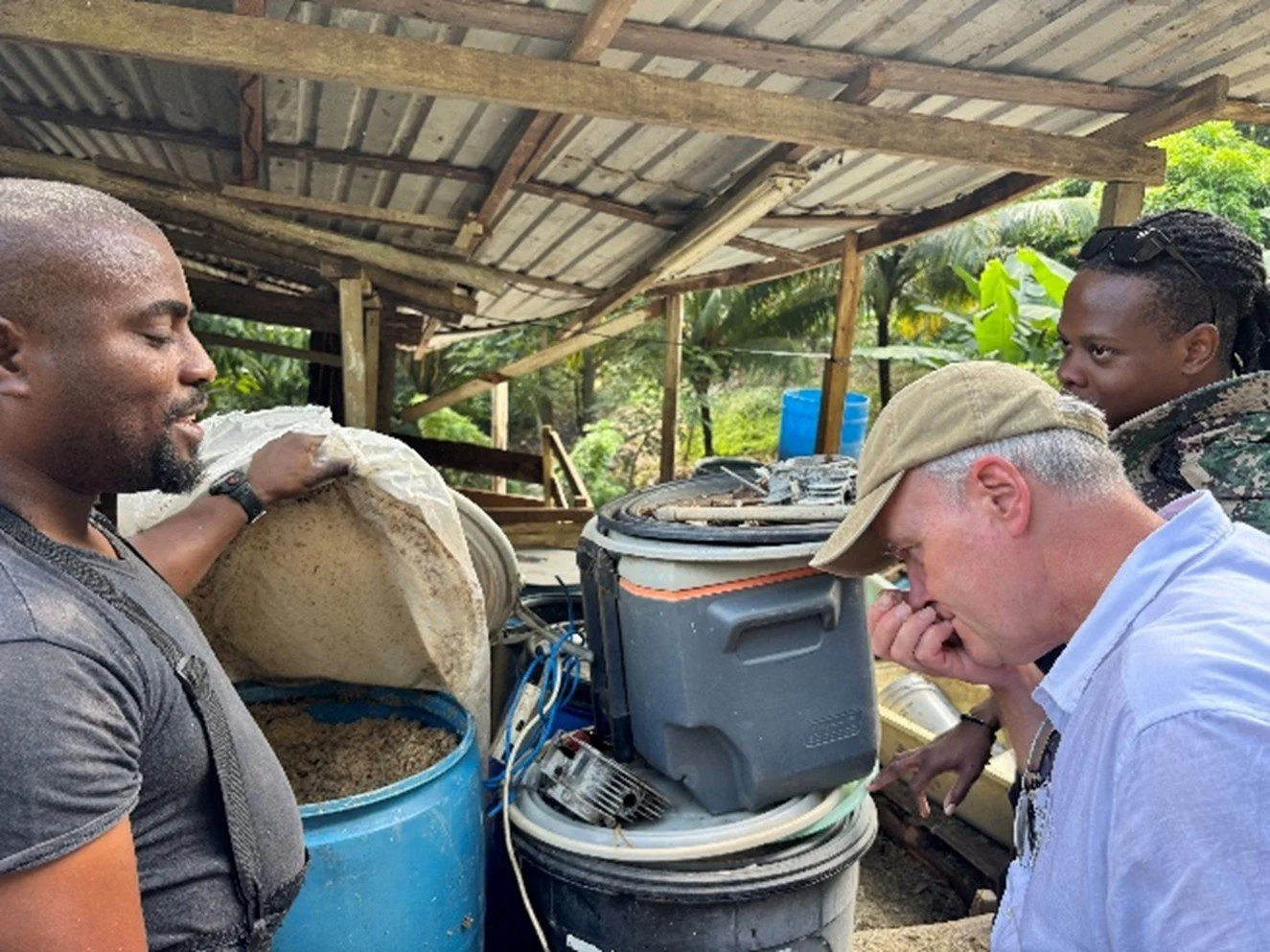
Meetings with agri-supply chain businesses - e.g. Renwicks (major agri-supplier across the island) and Valley Foods (meat on-processing). Valley Foods is the largest on-processing meat plant in Saint Lucia. Their operations service the main supermarket sector (e.g. Massy Foods). Significant shortfalls in local goat, sheep meat and beef.
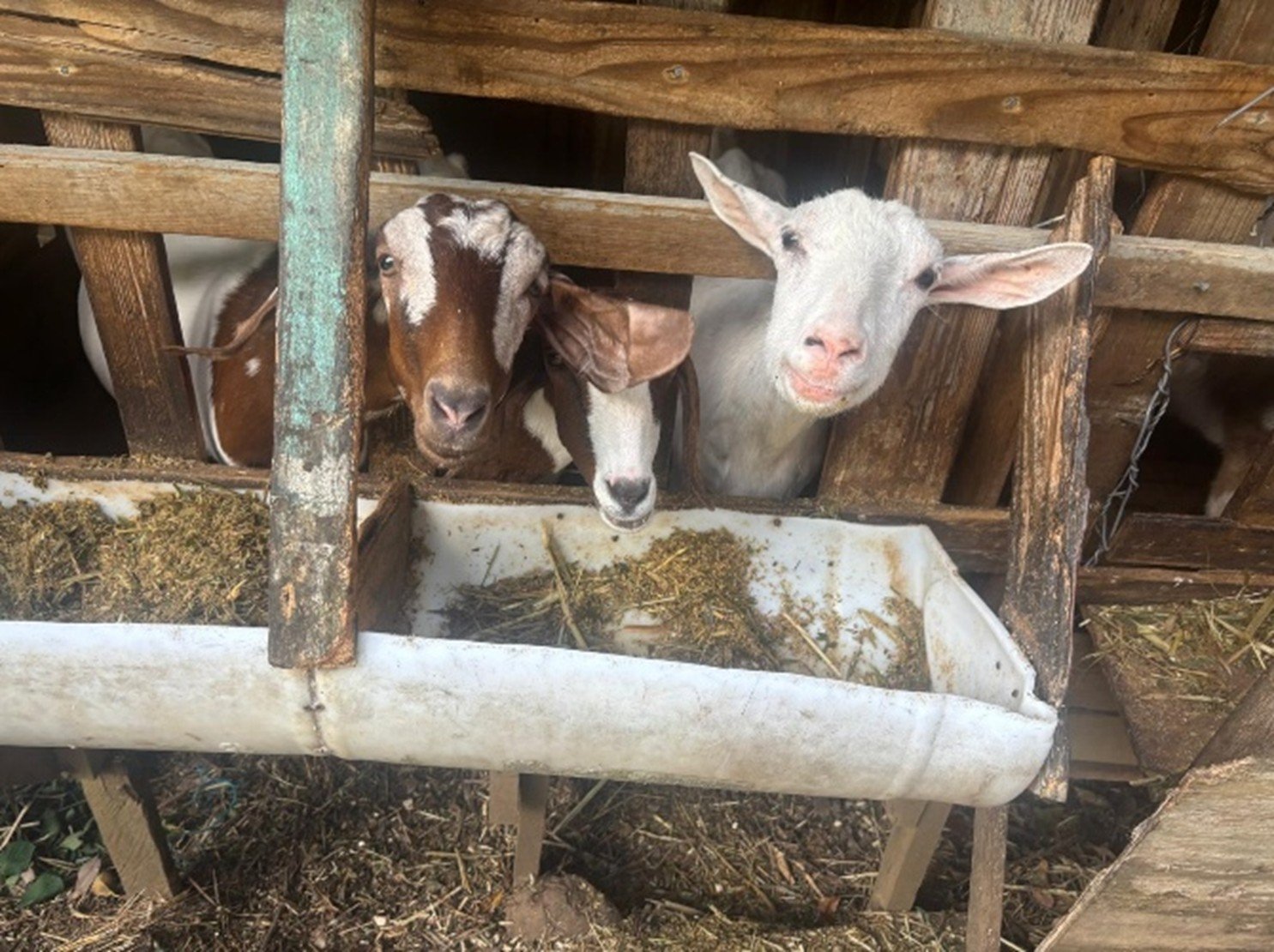
Diversification of farm income stream in small ruminant production systems included a focus on selling manure and composts, goats milk soap and potential early entrance into goat skin leather. These enterprises sold either online or via well-established wholesale-retail relationships.