New Zealand and Dominican Republic Strengthen Climate‑Smart Agriculture Partnership
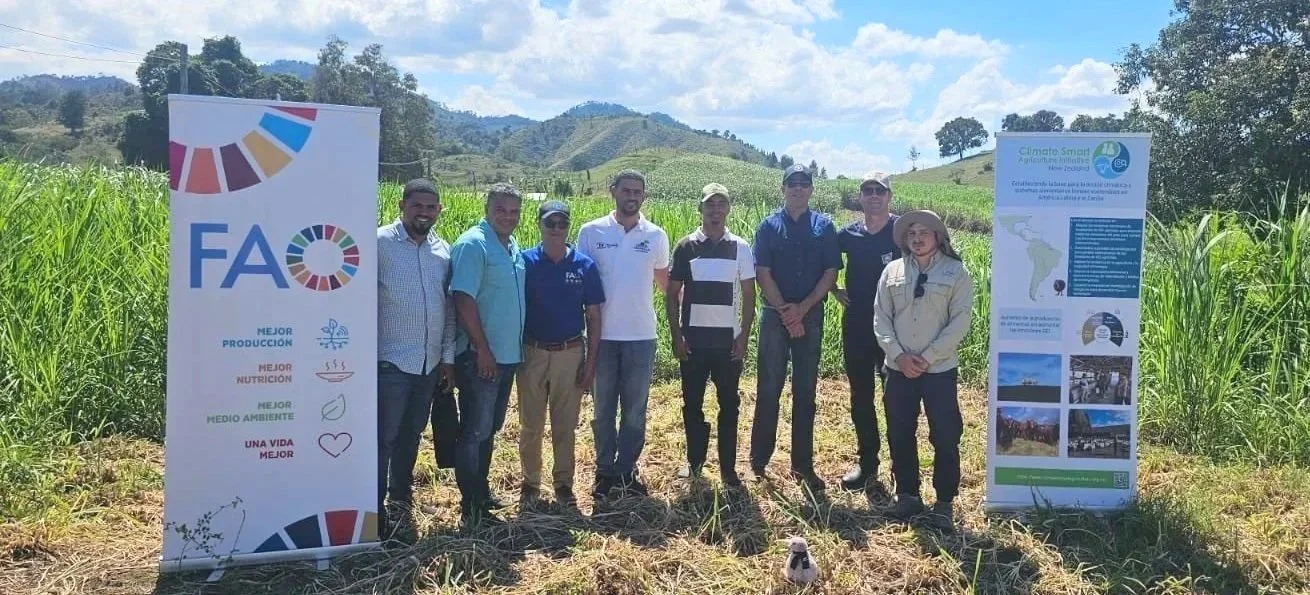
Santo Domingo, Dominican Republic — New Zealand has reaffirmed its commitment to advancing climate‑smart agriculture across Latin America and the Caribbean following a successful mission to the Dominican Republic from 16–20 February 2026. The visit, carried out under New Zealand’s Latin America and the Caribbean Climate Smart Agriculture (LAC: CSA) Programme, focused on supporting smallholder farmers to adopt climate smart agriculture practices in one of the country’s most climate‑vulnerable regions.
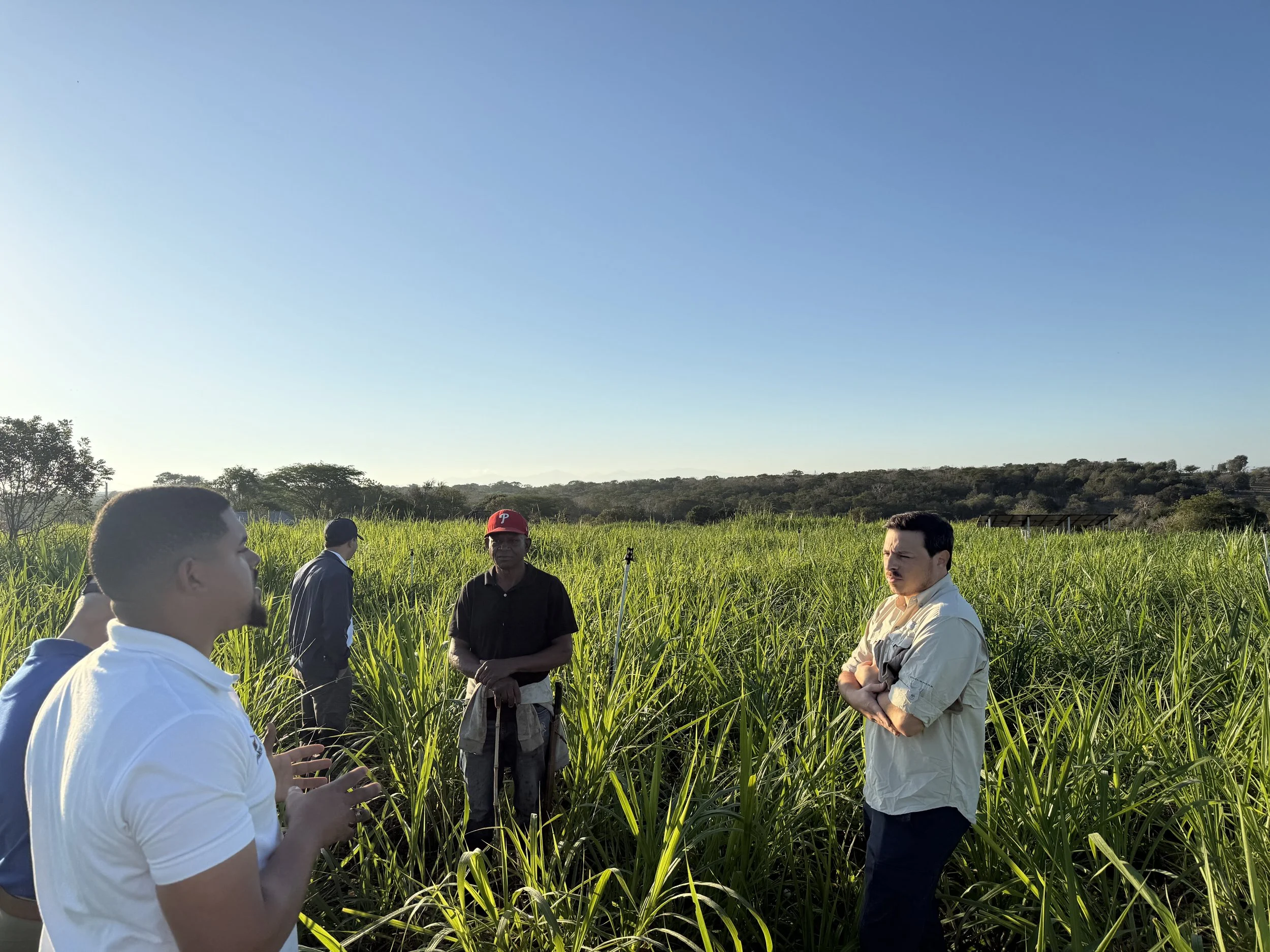
Representatives from New Zealand’s CSA Programme, joined counterparts from the UN Food and Agriculture Organization (FAO) and Dominican government institutions for the project’s official inception workshop, technical meetings, and two‑day field visits across the North‑West provinces of Santiago Rodríguez, Dajabón, and Montecristi.
Project Kick-off and National Alignment
This new joint initiative between New Zealand, FAO, and Dominican authorities aimed at reducing enteric methane emissions and improving the resilience and productivity of smallholder livestock systems. Senior representatives from the National Council for Climate Change and Carbon Market, Ministry of Agriculture, Ministry of Environment, DIGEGA, and producer organisations such as FEDEGANO participated in the workshop.
The launch confirmed strong political and institutional backing and aligned technical expectations for the project’s implementation. The programme will focus on:
Scaling climate‑smart livestock practices
Strengthening national Monitoring, Reporting and Verification (MRV) systems
Using FAO’s GLEAM tool to improve emissions estimates
Training smallholder farmers through Farmer Field Schools
Supporting evidence‑based policy development in the agriculture sector
A Partnership for Practical, Scalable Climate Solutions
The visit also confirmed the shared commitment of New Zealand, FAO, and Dominican partners to develop practical solutions that reduce emissions while enhancing incomes and resilience for smallholder livestock producers.
“The Dominican Republic has made clear progress in building a climate smart agricultural sector,” said Lee Nelson of New Zealand’s CSA Programme. “Our collaboration will help ensure that farmers - particularly in vulnerable regions - have access to the tools, training, and knowledge needed to farm more sustainably and efficiently.”
The initiative is funded by the FAO and New Zealand’s LAC: CSA programme and implemented by FAO in partnership with Dominican national authorities.
Contacts:
Nicolas Costa: nicolas.costa@globalresearchalliance.org
Lee Nelson: lee.nelson@ag-emissions.nz
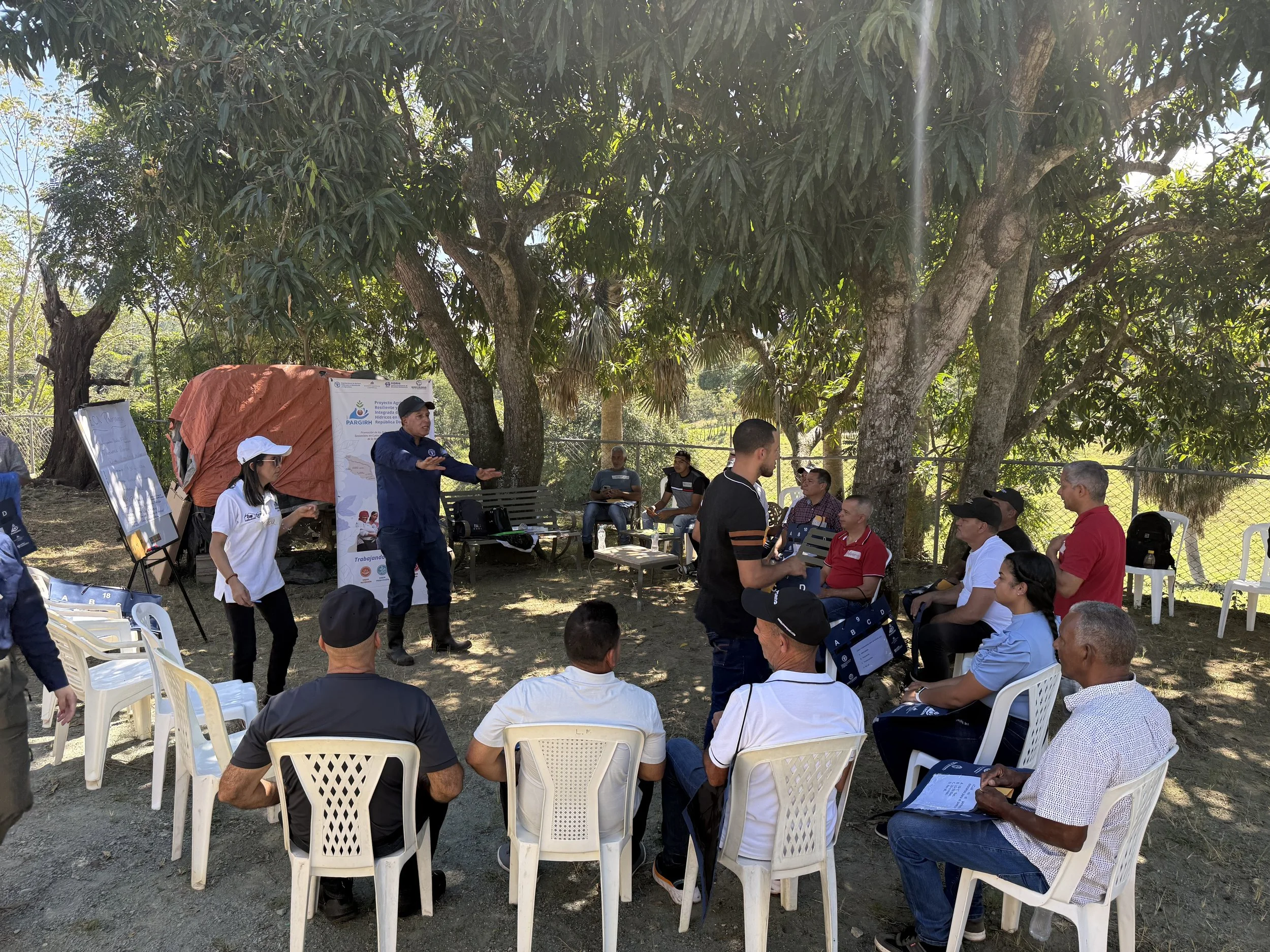
Instructors from the FAO conducting training for local farmers.