NZ–Jamaica Collaboration Strengthens Climate Smart Livestock Through On‑Farm Evidence and Industry Engagement
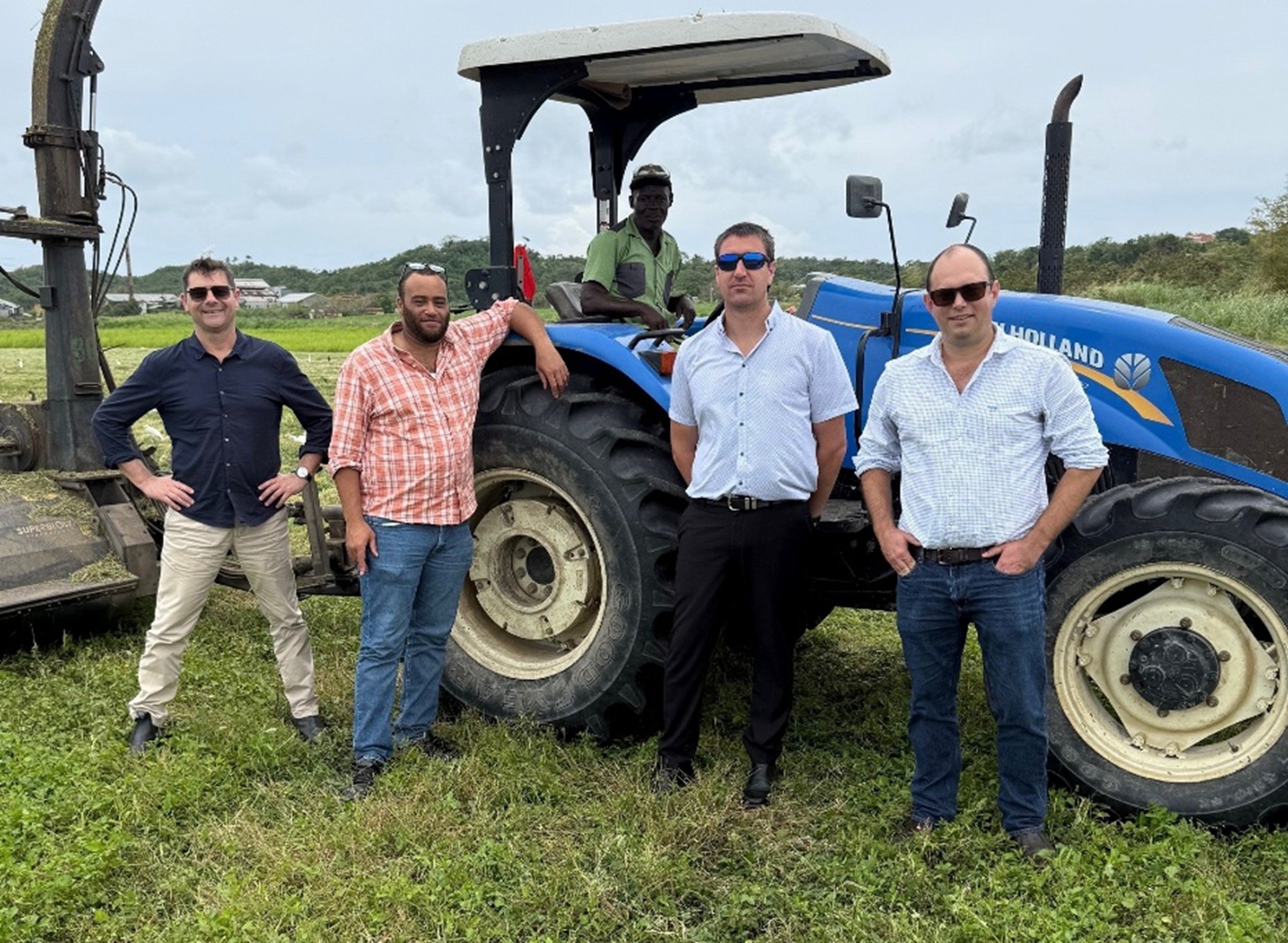
The visiting delegation included Lee Nelson, representing the New Zealand programme, Kevin Crooks of AgroInvest Jamaica, and Martin Howes and Sam Harburg from New Zealand based agricultural consultancy AbacusBio.
A recent visit by New Zealand and Jamaican agricultural partners highlighted practical progress toward building a more productive, climate‑smart, and resilient dairy and beef sector in Jamaica, combining on‑farm trials with active engagement across industry and extension partners.
Jamaica’s livestock sector took an important step forward this month with a visit from representatives of New Zealand’s Latin America and the Caribbean Climate Smart Agriculture Programme, alongside technical, investment, and industry stakeholders from across the dairy and beef value chain.
On‑Farm Trials Generating Practical Evidence
A focus of the visit was the review of on‑farm forage trials/demonstration sites for climate‑smart feed systems suited to Jamaican conditions. The trials are testing how improved forage options can raise productivity in dairy and beef systems while limiting increases in greenhouse gas emissions.
Serge Dairy is currently hosting several trial plots designed to address two of the most significant constraints facing Jamaican livestock producers: feed quality and year‑round feed availability. During the field visit, the delegation reviewed plots featuring Sunn Hemp, Sorghum, and mixed forage plantings, selected for their adaptability to local soils and climate, as well as their potential to deliver higher‑quality nutrition to cattle.
Improved forage quality supports more efficient conversion of feed into milk and meat, allowing producers to increase output per animal rather than expanding herd size or land use. This approach underpins the project’s climate‑smart objective of improving productivity while maintaining or reducing emissions intensity.
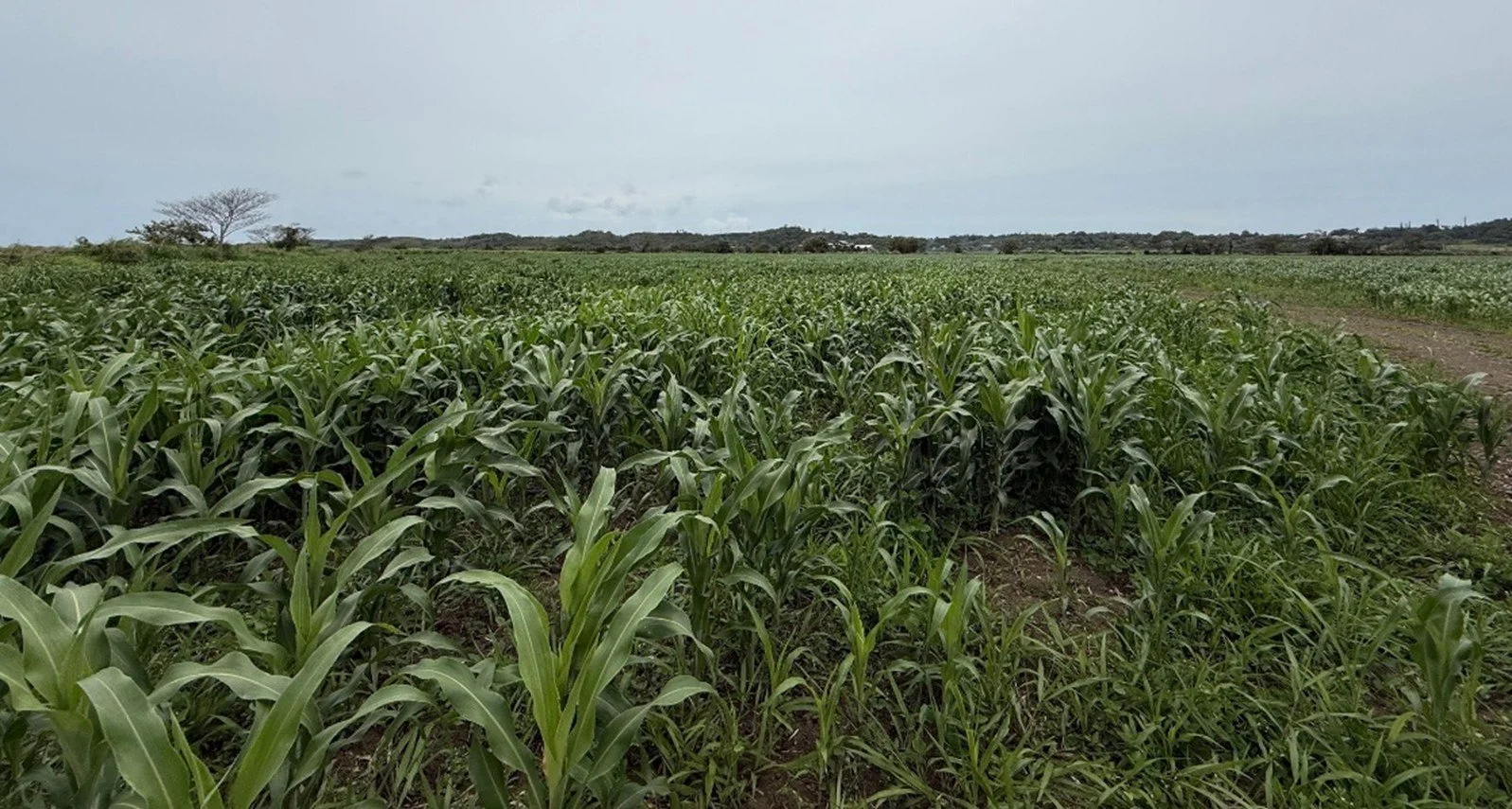
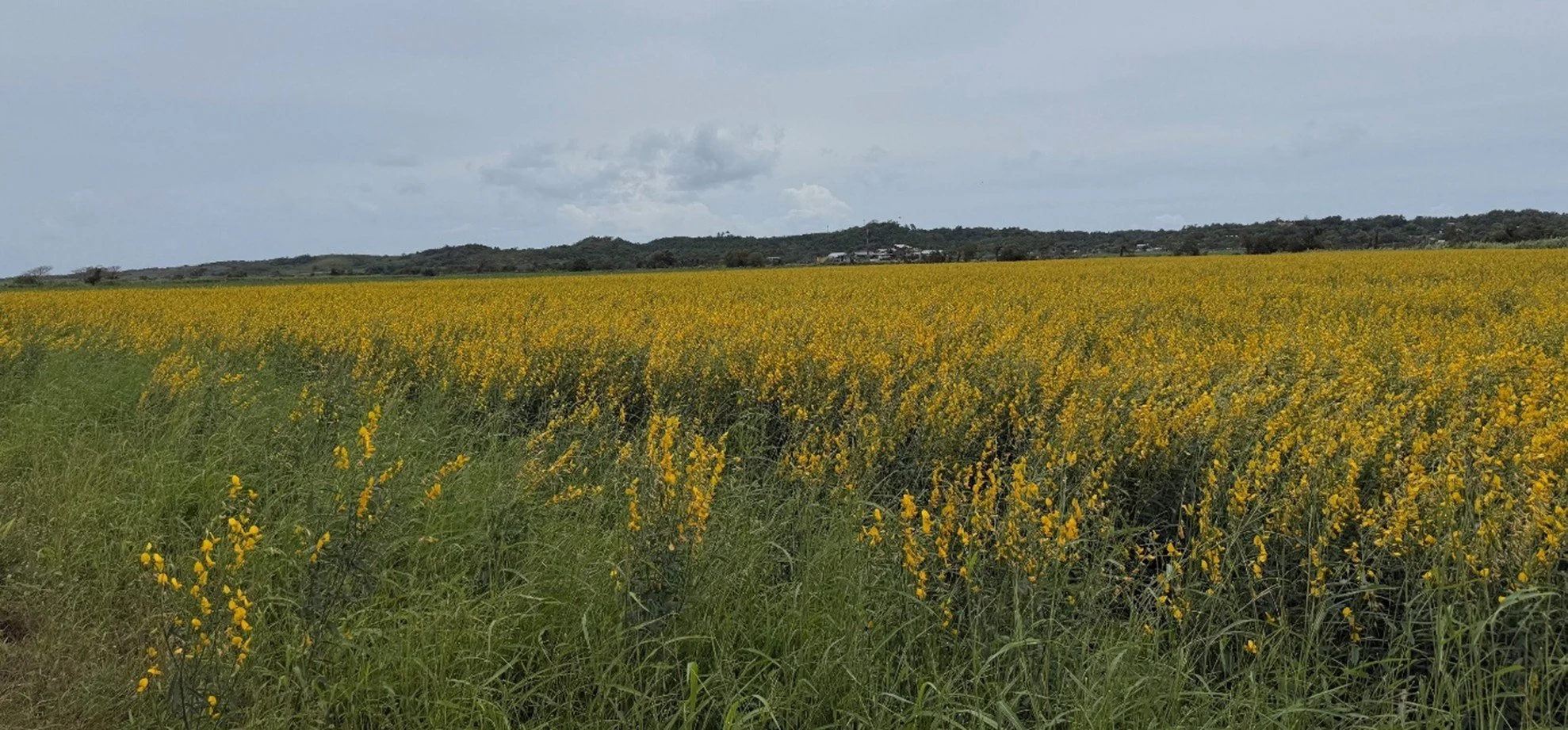
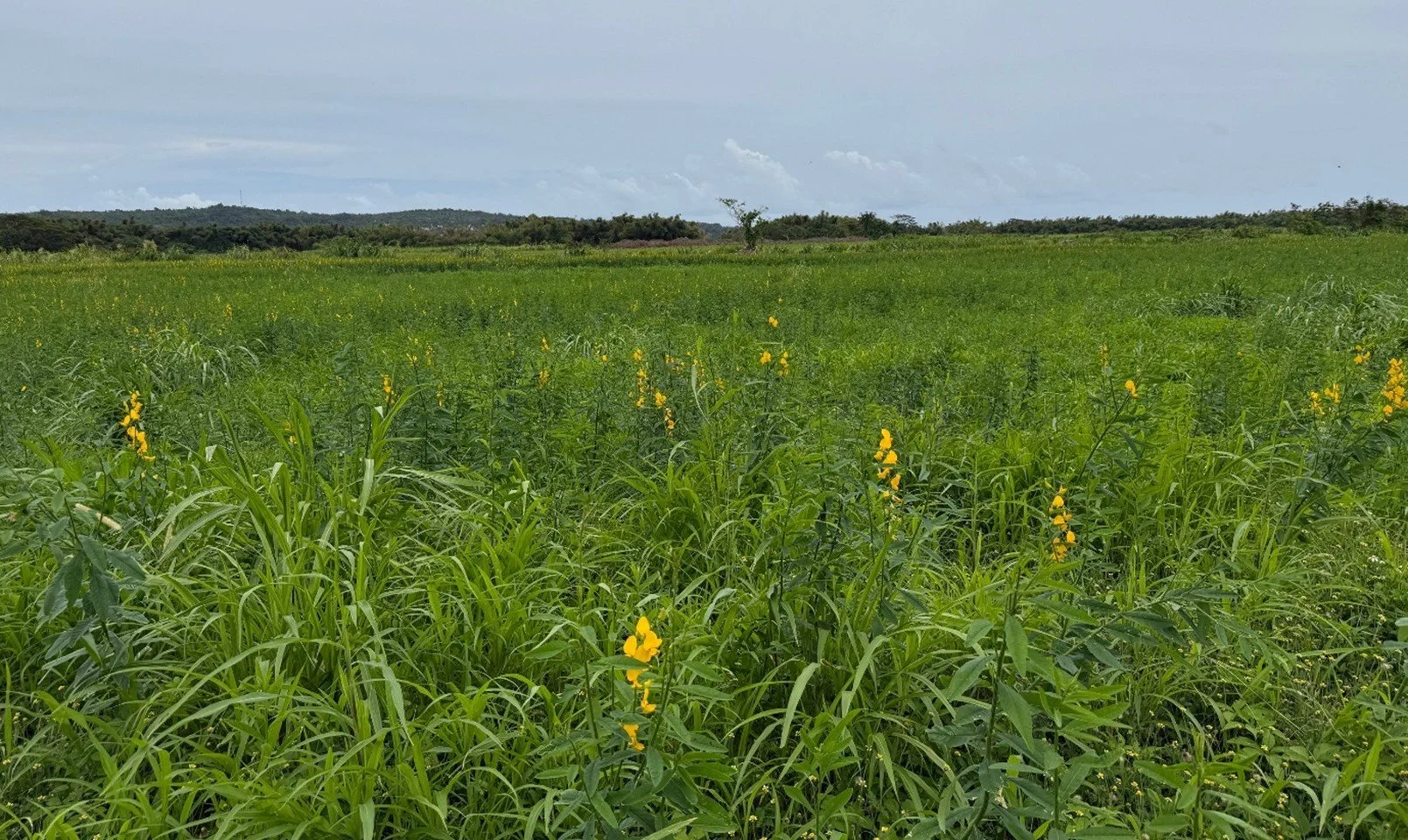
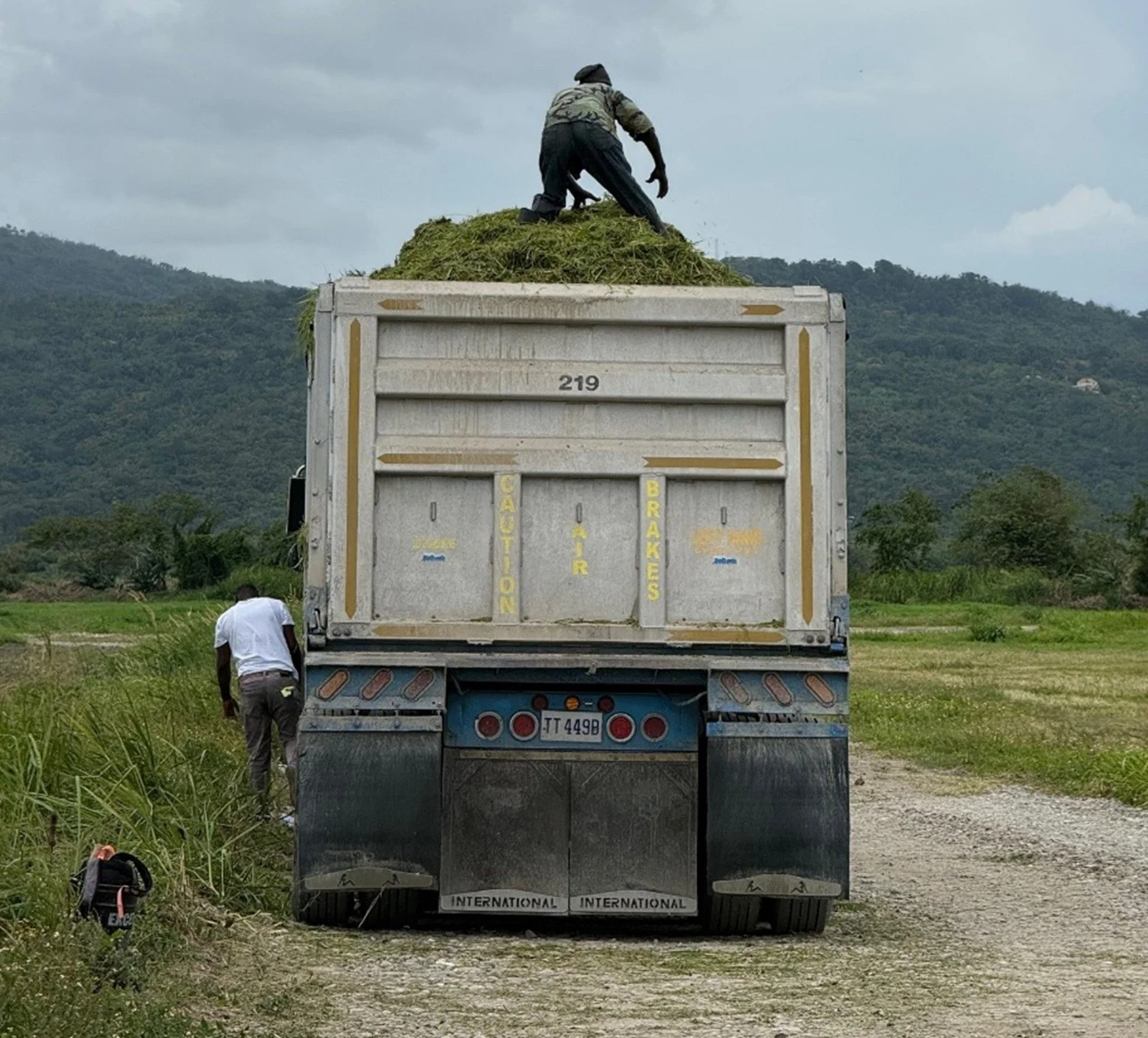
Above images show the trial plots of fast growing, higher‑quality nutrition forage; Sorghum (2 month growth), Sunn Hemp (2.5 months growth), mixed forage planting of Sunn Hemp and Mombasa grass, and the forage being harvested.
Linking Research, Industry, and Extension to Support Uptake and Scale
Beyond the farm visits, the programme placed strong emphasis on industry and government engagement to ensure that emerging findings are relevant, practical, and aligned with commercial realities. A dedicated meeting brought together representatives from Serge Dairy, Tru Juice, Juici Beef, Farm and Animal Nutrition Solutions Limited and the Rural Agricultural Development Authority offering perspectives from across policy, production and agri‑processing segments of the livestock value chain.
Discussions included how climate‑smart forage systems could help address input cost pressures, improve supply reliability, and strengthen the competitiveness and resilience of Jamaica’s dairy and beef industries. Industry participants explored how early insights from the trials could inform both on‑farm decision‑making and longer‑term investment and supply‑chain planning.
Partnering for Broader Impact
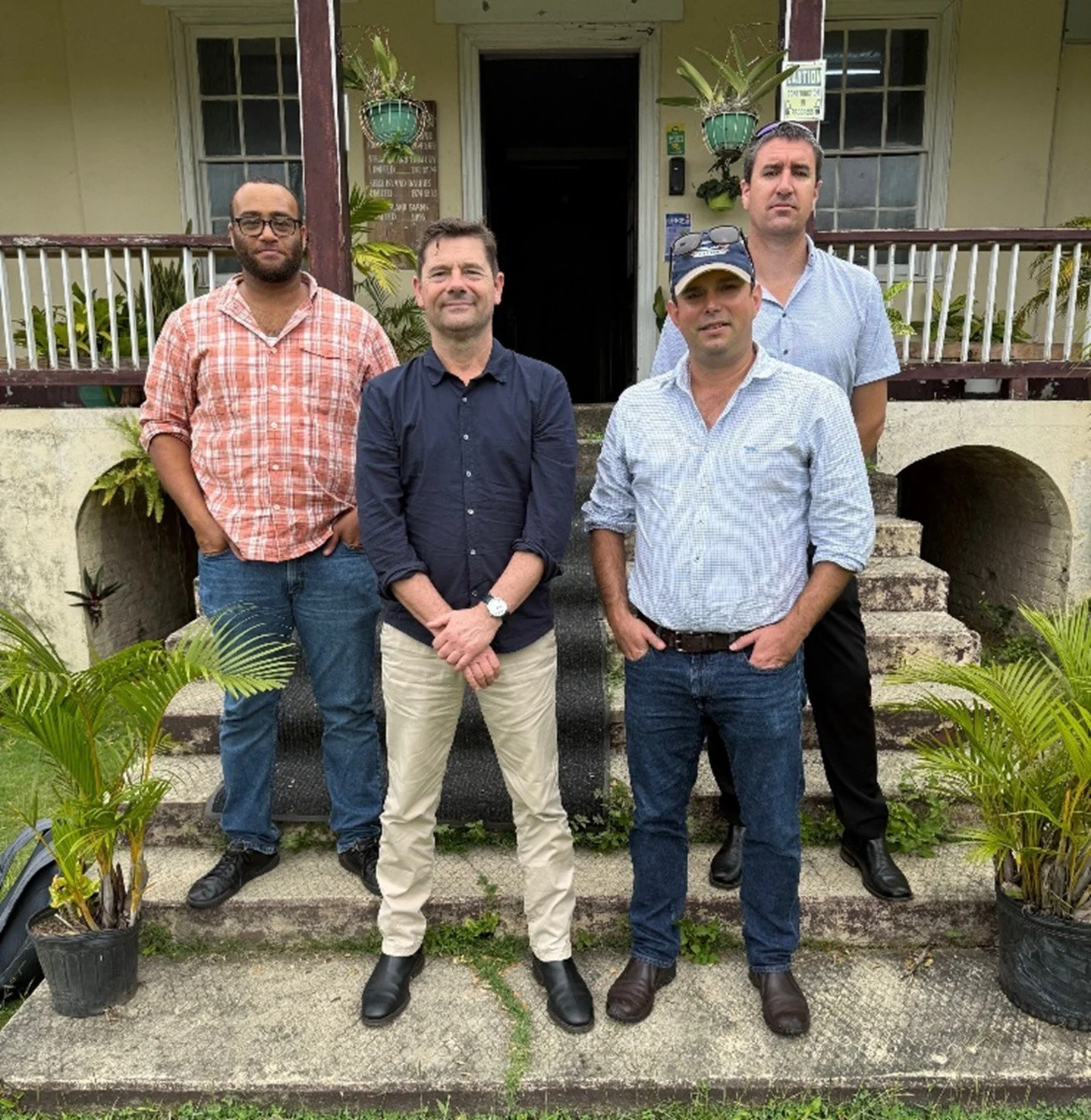
Strong collaboration in action: New Zealand and Jamaican agricultural partners sharing knowledge on climate‑smart forage systems to build a more productive and resilient livestock sector.
Discussions with RADA to explore how early lessons from the trial sites can be shared more widely with farmers through extension services, demonstration activities, and farmer engagement programmes. These conversations focused on pathways for scaling up successful forage systems and supporting adoption at farm level.
The collaboration brings together complementary strengths: New Zealand’s experience in pasture‑based livestock systems, AbacusBio’s expertise in systems analysis and agricultural economics, AgroInvest Jamaica’s agribusiness and investment mandate, industry experience from across the value chain, and RADA’s on‑the‑ground extension network.
Supporting Climate Goals While Enabling Growth
A core objective of New Zealand’s Climate Smart Agriculture engagement in the Caribbean is to demonstrate that agricultural growth and climate responsibility can advance together. In the livestock sector, this means increasing output per animal and per hectare through better feed, management, and systems design.
The Serge Dairy trials, combined with active engagement from industry and extension partners, illustrate how locally generated evidence can inform practical, scalable solutions for Jamaica’s dairy and beef industries. As the project progresses, ongoing data collection and dialogue will continue to shape recommendations for farmers, industry stakeholders, and policymakers alike.
The project is funded through the New Zealand Government’s Climate Smart Agriculture Initiative, as part of its contribution to the Global Research Alliance on Agricultural Greenhouse Gases (GRA).
Jamaica’s Livestock context
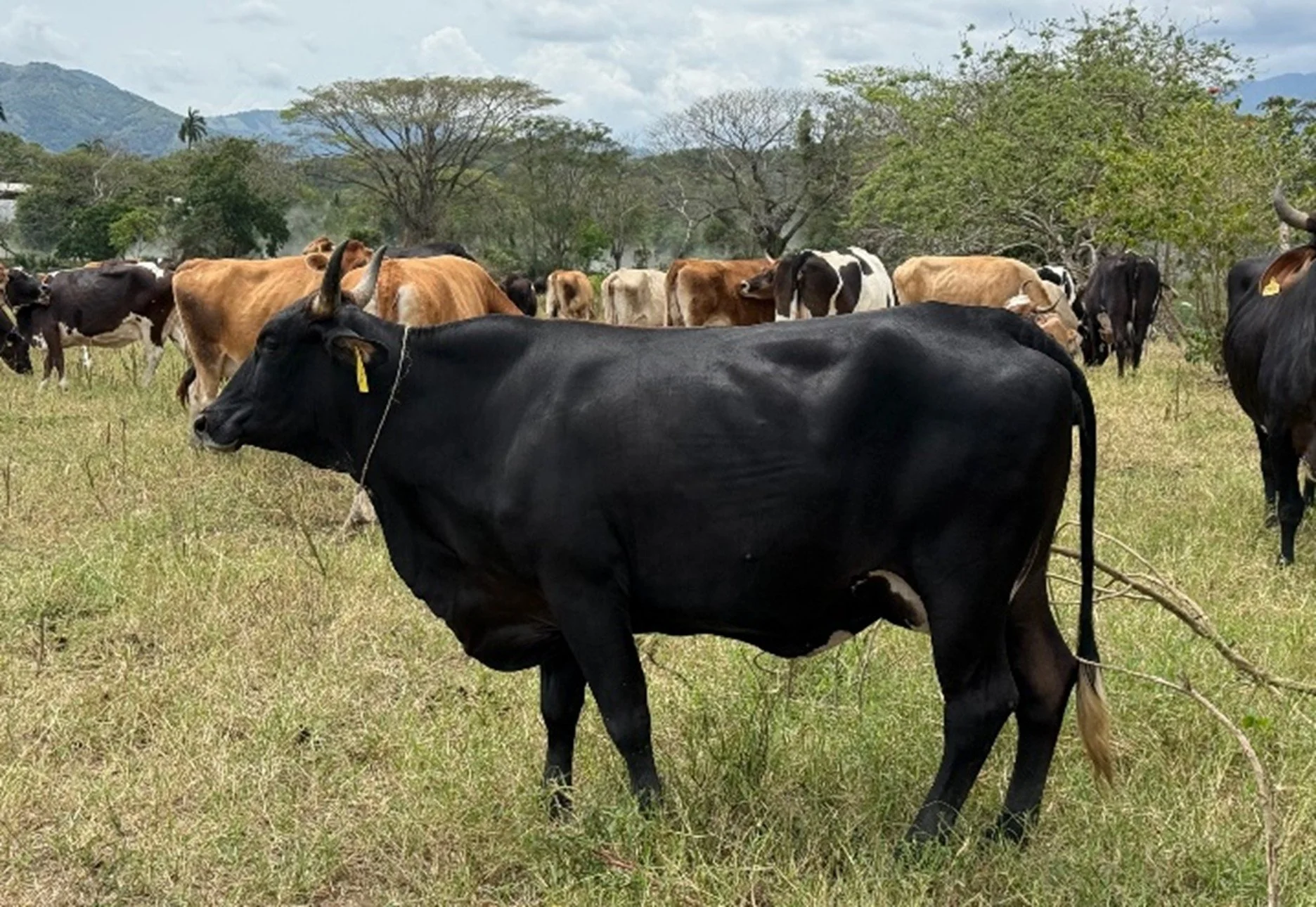
Jamaica’s livestock systems are traditionally based on tropical pasture grazing, with Guinea grass, Pangola grass, Brachiaria and native savanna grasses forming the backbone of forage supply across most dairy and beef operations. These forages are well adapted to local conditions but are often low in protein and highly seasonal, contributing to feed shortages during extended dry periods. Livestock production is dominated by dairy cattle—most notably the locally developed Jamaican Hope breed—and the Giroland from Brazil, while the beef sector relies primarily on Brahman, Jamaica Red, and Brahman‑cross cattle. Small ruminants such as goats and sheep also play an important role in rural livelihoods, typically managed under low‑input grazing systems. Improving forage quality and reliability within these predominantly pasture‑based systems is therefore central to lifting productivity, strengthening climate resilience, and supporting sustainable growth across Jamaica’s livestock sector.
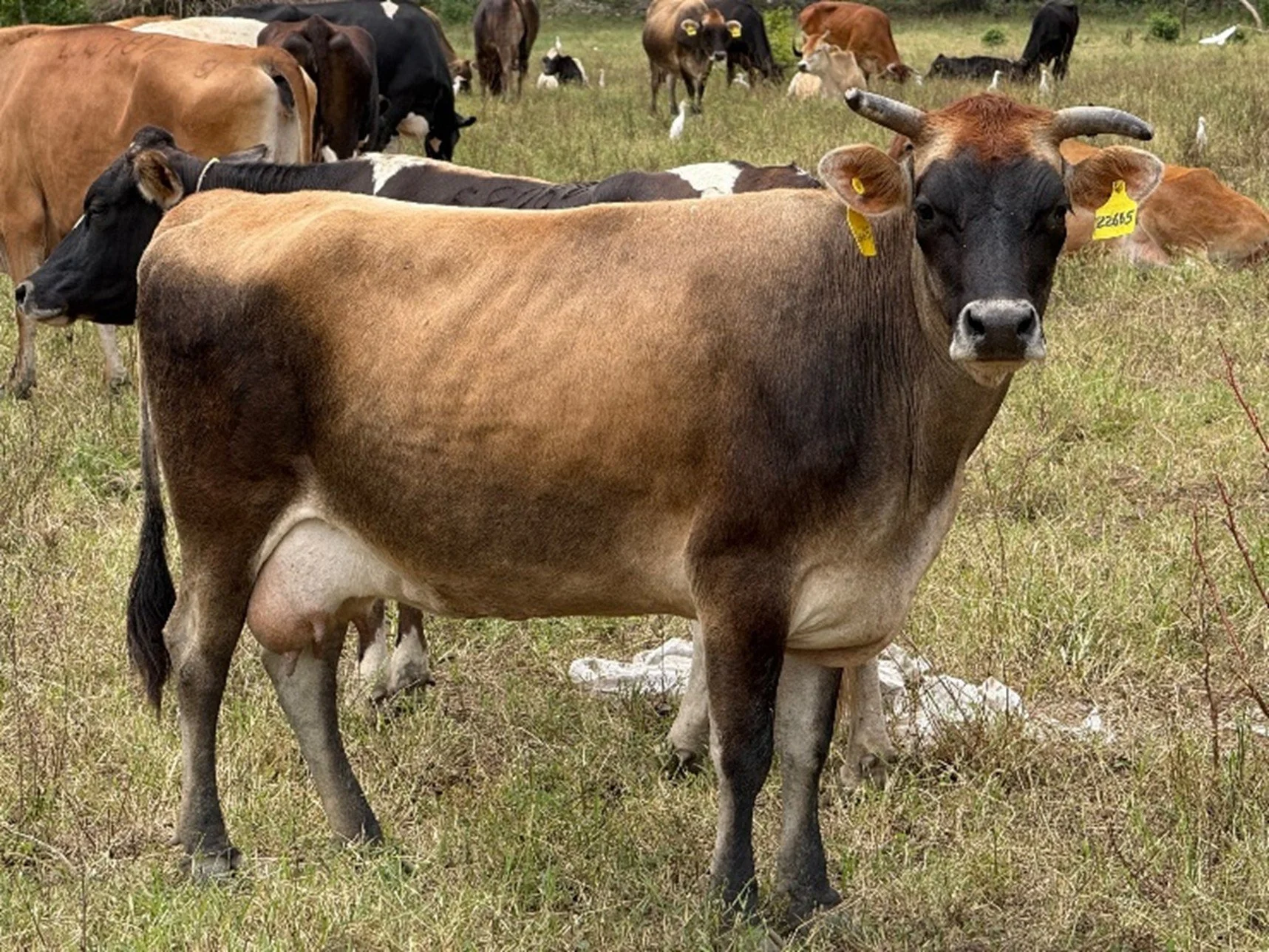
Giroland (black) and Jamaican Hope cattle (brown) are central to Jamaica’s dairy sector, reflecting long‑standing efforts to align productivity with tropical resilience. The Giroland, a stabilized cross of Holstein‑Friesian and Gyr cattle originating from Brazil, combines strong milk production with heat tolerance, parasite resistance, and the ability to perform under pasture‑based systems and variable feed conditions. The Jamaican Hope, developed locally in the mid‑20th century from crosses between Jersey, Holstein, and Sahiwal cattle, is Jamaica’s national dairy breed and is well adapted to the island’s climate, forage base, and management systems. Together, these breeds exemplify how genetic adaptation complements improved forage and management, supporting efficient, climate‑smart dairy production in Jamaica.